The Rise of Data-Driven K-Brands: Beyond Gut Feeling
[1] Why are today’s fast-growing K-brands succeeding?
These days, it is not only K-pop. Terms like K-beauty, K-fashion, and K-food are being heard more and more often overseas.
Korean brands are quickly becoming real options for global consumers, well beyond the domestic market. That shift deserves attention.
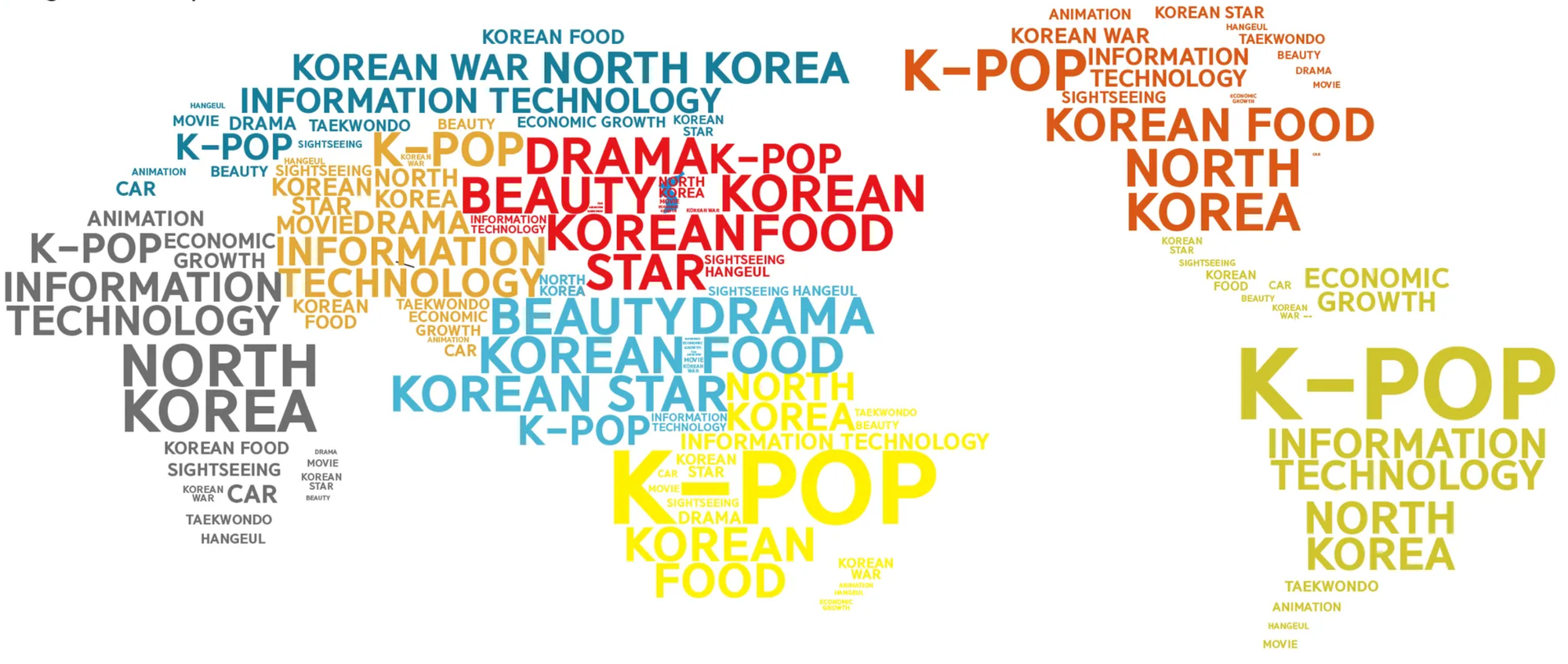
But are these brands simply lucky? At Dalpha, we see it a little differently.
The stronger the brand, the more differently it interprets gut feeling.
In the past, a designer’s taste, a marketer’s intuition, and a founder’s experience sat at the center of every decision. Today’s K-brands prove that intuition with data and connect it back into operations.
They start with a sense, then use data to check whether that sense is right.
They interpret consumer choices and reactions as numbers, then find hints and direction for the next execution.
Ultimately, they have built a structure where taste becomes data, and data returns to the brand as sharper taste.
A brand’s competitiveness now depends not simply on taste, but on how taste and data work together.
Across product development, marketing design, and distribution planning, the balance between these two elements is becoming a new formula for growth.

In this article, we look at three brands that have recently stood out across beauty, fashion, and F&B: SKIN1004, Gentle Monster, and Pulmuone. We will explore how they built this balance and what common success factors they reveal.
We will look step by step at how they moved and what made them successful.
If you are more curious about why they became good at this than simply how they did well, let’s begin.
[2] Breaking down the success factors behind three standout K-brands
Today’s high-performing brands are often described as brands with great taste. But if you look more closely, that taste is supported by clear reasoning and analysis.
They have built a cycle where taste is verified with numbers, and those results expand into new forms of taste.

Beauty | SKIN1004: A brand that convinced the world with a single centella leaf
SKIN1004 built its identity around Centella Asiatica, or cica, establishing itself as a gentle skincare brand with low irritation and strong efficacy.
Its success did not come from simply reacting to a trend. It came from execution that used data to make taste more concrete.
Building brand trust around product quality
SKIN1004 maintained a low-irritation, high-efficacy position with Madagascar cica extract as its core ingredient. This started from analyzing reviews and purchase data and identifying strong consumer response to the keyword skin soothing.
Expanding global distribution with localization
SKIN1004 grew overseas before it grew domestically. It entered major retail channels such as Amazon, Watsons, and Sephora while differentiating content and product composition by market. In Southeast Asia, it analyzed social search terms and click data, then focused promotion on the trouble-soothing line.
Automating influencer marketing with AI
Influencer selection, content management, and performance analysis were automated through an AI SaaS platform. As a result, the number of campaigns decreased, but conversion rate roughly doubled.
SKIN1004 added a precise data operating system on top of emotional branding and earned trust in the global market.
Fashion | Gentle Monster: The operating discipline behind artistic taste
Gentle Monster is a fashion brand, but what draws global attention is its experience design.
It began as an artistic, sensorial brand, but to keep that sensibility alive, it continuously refined its operations and data systems.

Maintaining design consistency and strengthening brand mood
Gentle Monster’s products and spaces maintain a unified sensibility. But that sensibility is carefully adjusted based on purchase history and click data. To keep each season’s concept from drifting, the brand continuously monitors exposure frequency, dwell time, and conversion rate.
Operating retail around experience
Stores are not simply places to sell products. They are stages where customers experience the brand’s world. By analyzing customer paths inside offline stores, Gentle Monster preserves the sensorial concept of an exhibition-like store while finding display layouts that improve sales efficiency.
Providing personalized experiences based on customer data
Based on website visit history, new customers are shown emotional visual content, while repeat customers are shown product-centered feeds. Gentle Monster uses customer data to quantify and refine sensorial experience.
F&B | Pulmuone: A brand that sustains a healthy philosophy with data
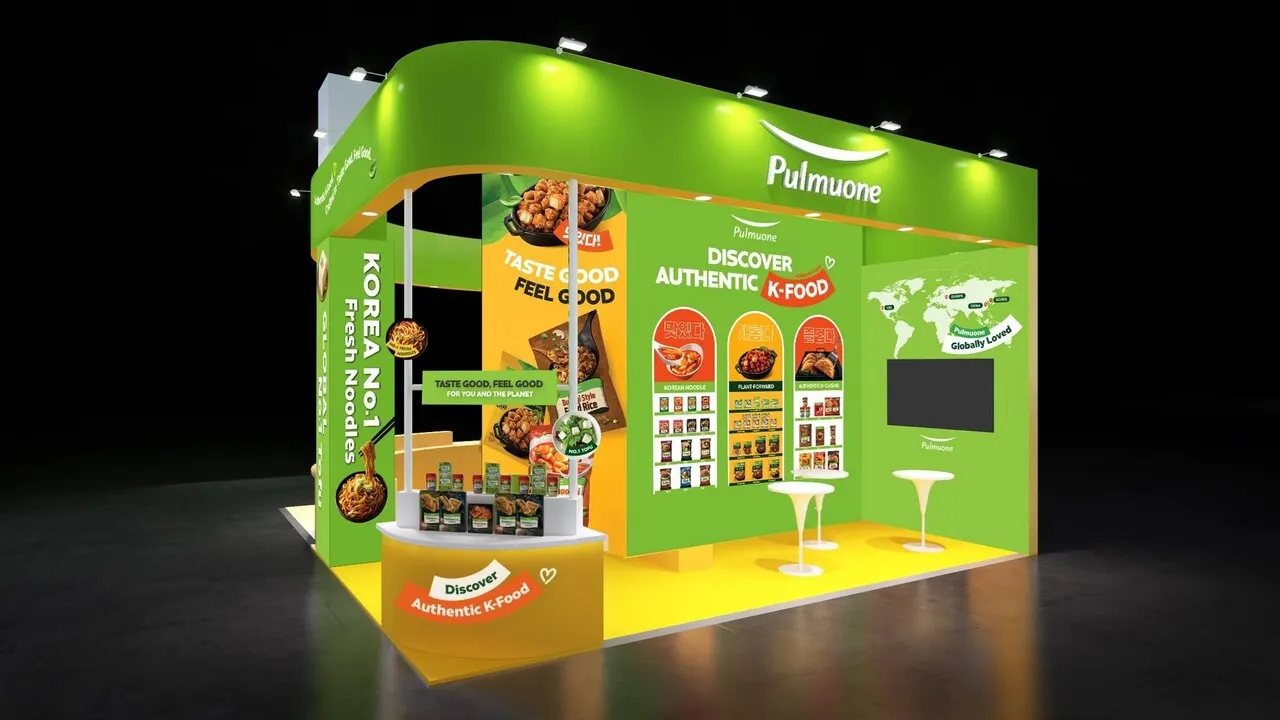
Pulmuone is a food brand that has upheld the value of right food for more than 40 years.
The reason this philosophy has endured is that a data-based operating system sits beneath the brand’s sensorial philosophy.
Building a brand image around health and sustainability
Pulmuone regularly analyzes consumer interest keywords such as plant-based, low-sodium, and low-carb, then reflects them in product strategy. Through this, it built both the emotional image of a company with philosophy and the credibility of a health brand verified by data.
Expanding overseas and diversifying the product portfolio
Within the K-food boom, Pulmuone built a category expansion strategy across tofu, ramen, snacks, and more. It analyzed overseas consumer response data to quickly rotate representative products by market and used product demand forecasting models to reduce global inventory loss.
AI review analysis and VOC systems
Pulmuone operates an AI review analysis system, AIRS, and a VOC forecasting system. It classifies consumer reviews and feedback with natural language processing and immediately reflects the results in product improvement and new product development.
As a result, its sensorial philosophy evolved from a marketing message into a sustainable management process.
The success factors behind these three hot brands are different, but they share one common flow.
Based on domain knowledge and detailed operating experience, they turned insights built from gut feeling into success formulas that can be interpreted through data.
Successful brands use data to verify gut feeling, then expand verified intuition into new sensibility.
A structure where taste and data circulate: that is the shared language of today’s fast-growing K-brands.
[3] How they make taste and data coexist
The three brands we looked at belong to different industries, but the way they operate shares clear common ground.
They did not use data merely as an analysis tool. They used it as a language for turning taste into execution, a system that defines how the brand works.
Now let’s look more closely at how that operating language functions.

1. Gut feeling is still the starting point. But the way brands read it has changed.
Brands of the past often moved around the intuition of a single director or founder.
Today’s brands interpret feeling through data and prove it through observable signals.
SKIN1004 reads review data to understand why consumers talk about soothing effects.
Gentle Monster measures the moment when sensorial experience leads to purchase through behavior data.
Pulmuone makes the consumer’s idea of healthy more concrete through VOC analysis.
Gut feeling is still a human starting point, but now it gains logical persuasion through the language of data.
2. Insight begins with taste and expands through data.
Sensorial ideas are still the brand’s starting point.
But these three brands verified that taste with data and moved verified taste into execution.
SKIN1004’s global campaign proved the emotional keyword centella through data.
Gentle Monster’s seasonal collections refined ideas planned through taste with consumer behavior data.
Pulmuone’s new product development process made the abstract feeling of healthy food concrete through thousands of review analyses.
In the end, insight is completed when taste meets data.
Taste gives intuition, and data turns that intuition into an executable strategy.
3. Data does not replace taste. It helps taste live longer.

Data may feel cold, but the way brands use it can be warm.
All three brands used data not just as a tool for efficiency, but as a device for preserving sensibility.
Gentle Monster used AI to ask how it could sustain a sensorial experience for longer.
Pulmuone used review analysis to study how a healthy brand could avoid losing its essence.
Data organizes direction, while the temperature of the brand’s sensibility remains.
That is why these brands maintain consistency over time. This also becomes branding that feels sincere to customers.
Ultimately, all three brands chose the coexistence of taste and data.
They did not lose their intuition, but they did not depend on intuition alone. They analyzed sensibility, interpreted it through data, and connected it to execution.
That balance is the decisive force behind today’s fast-growing K-brands.
[4] How is your brand interpreting its gut feeling?
How does your brand handle intuition today?
Are you relying only on the team’s experience and instinct?
Or do you have a structure that can interpret taste through data?
The brands we explored all started from intuition, but they interpreted it through data and moved it into execution.
Taste did not disappear. It was translated into the language of operations.
What matters is not taste itself, but how you read, understand, and execute it.
Data is a tool that supports that process, and a language that helps a brand’s sensibility last longer.
If, while reading this, you found yourself asking, “Where does our brand’s intuition come from, and how is it being interpreted?”, that question is the beginning of change.
Dalpha wants to help brands turn that question into execution.

Junbok Lee