5 AI Work-Automation Cases: Focusing on Document Processing and Translation (FT. MongoDB, the State of Minnesota, Deluxe)
Companies process an enormous volume of documents every day—from contracts, reports, and manuals to emails and chat logs. Today, we've put together some cases where AI was used to automate document processing.
💡 This article is for
Anyone considering adopting AI automation for document processing or translation work
Anyone curious about the concrete results real companies have achieved
Anyone who needs to overcome language barriers in global business
What is AI work automation?
AI work automation is technology in which artificial intelligence handles repetitive, time-consuming tasks on behalf of people. It's creating big changes especially in areas like document processing, data analysis, and customer service. Beyond simply speeding up work, it produces more accurate and consistent results and lets employees focus on more valuable work.
5 AI Work-Automation Cases
Case 1. The State of Minnesota's 'translation' work
Background
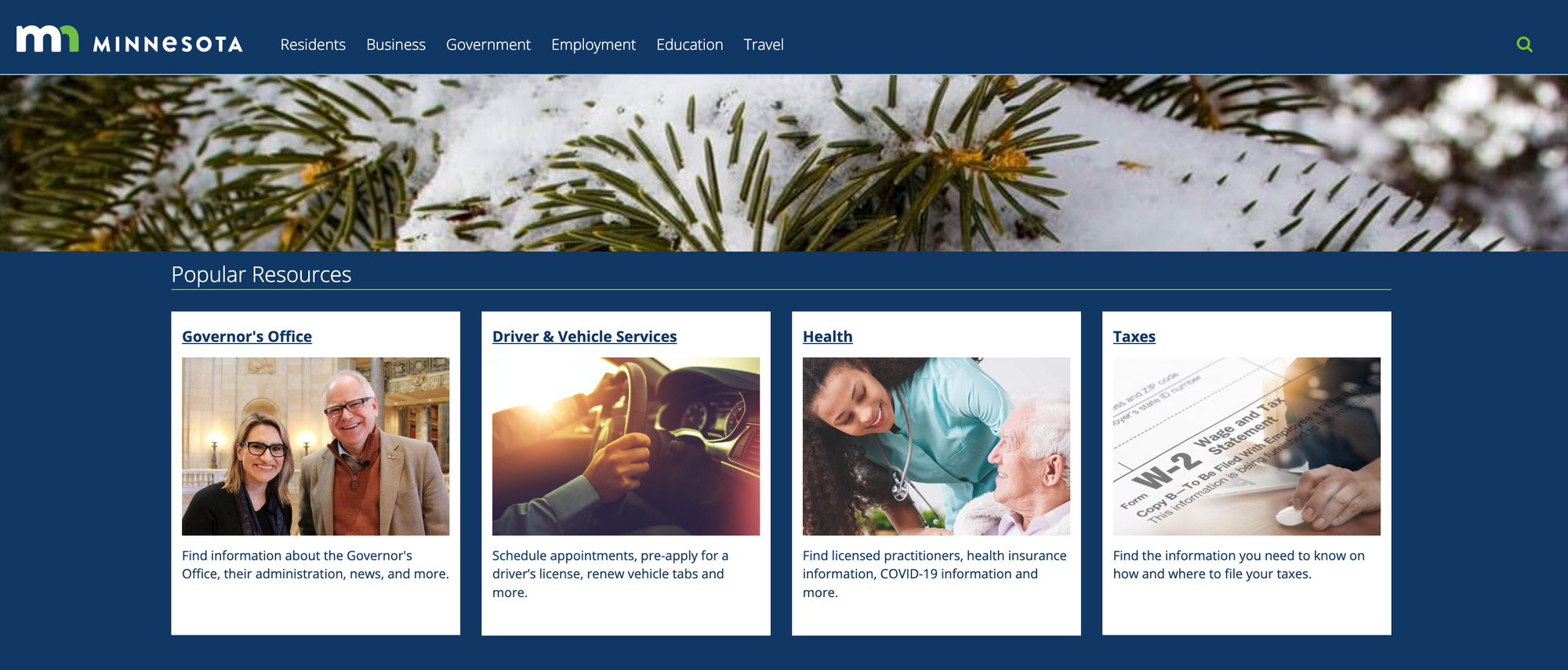
The U.S. State of Minnesota had a tremendous amount of work translating documents into various languages. That's because more than 20% of its population speaks a language other than English.
The problem
Previously, each department outsourced translation to outside vendors, which led to serious wasted costs and uneven quality. A single translation took an average of a month, and costs ran over 100 million won per month on average.
Applying AI work automation
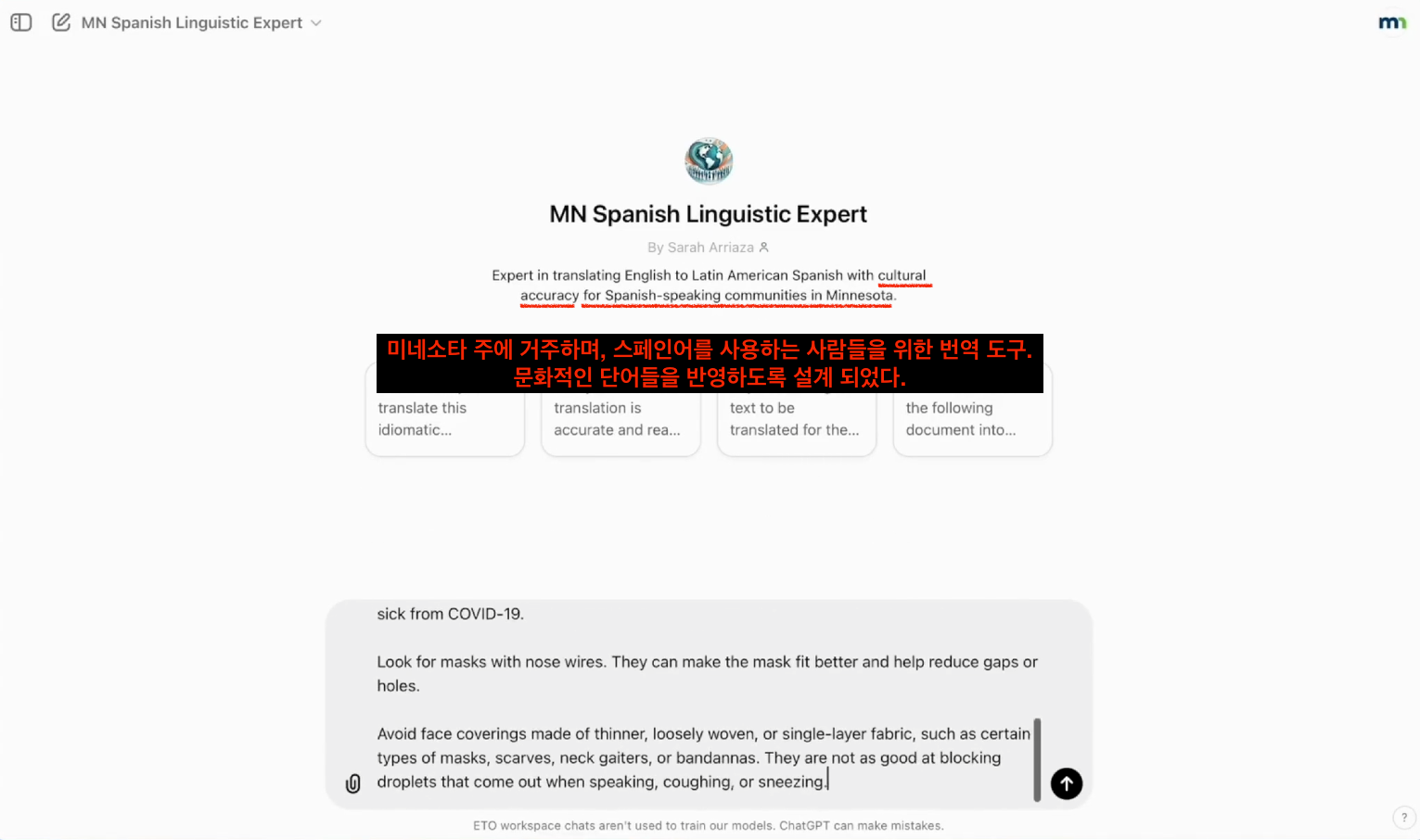
The State of Minnesota partnered with OpenAI to build an AI-based translation system. Translations that used to take a month were cut to within 48 hours, and urgent cases could be handled within 2 hours. It now processes more than 3 million words a month and supports various languages including English, Spanish, and Somali.
What's especially noteworthy is how it reflects cultural context. For special languages like Somali, they built a database of culturally appropriate terms and expressions to raise the quality of translations.
Case 2. Color Health's 'medical record analysis' work
Background
Color Health is a healthcare company that has treated more than 7 million patients over the past 10 years. It focuses especially on cancer treatment.
The problem
They found that a cancer patient's risk of death rises 6–13% with just a four-week delay in treatment. But it took doctors weeks just to organize one patient's test results and diagnostic records. Most patients had to receive their first consultation without having completed all the necessary tests.
What made it especially tricky was that every patient's situation was different. More than a third of patients needed an approach different from standard screening because of personal risk factors. Medical guidelines kept changing, and it was hard to grasp individual risk factors right away.
Applying AI work automation
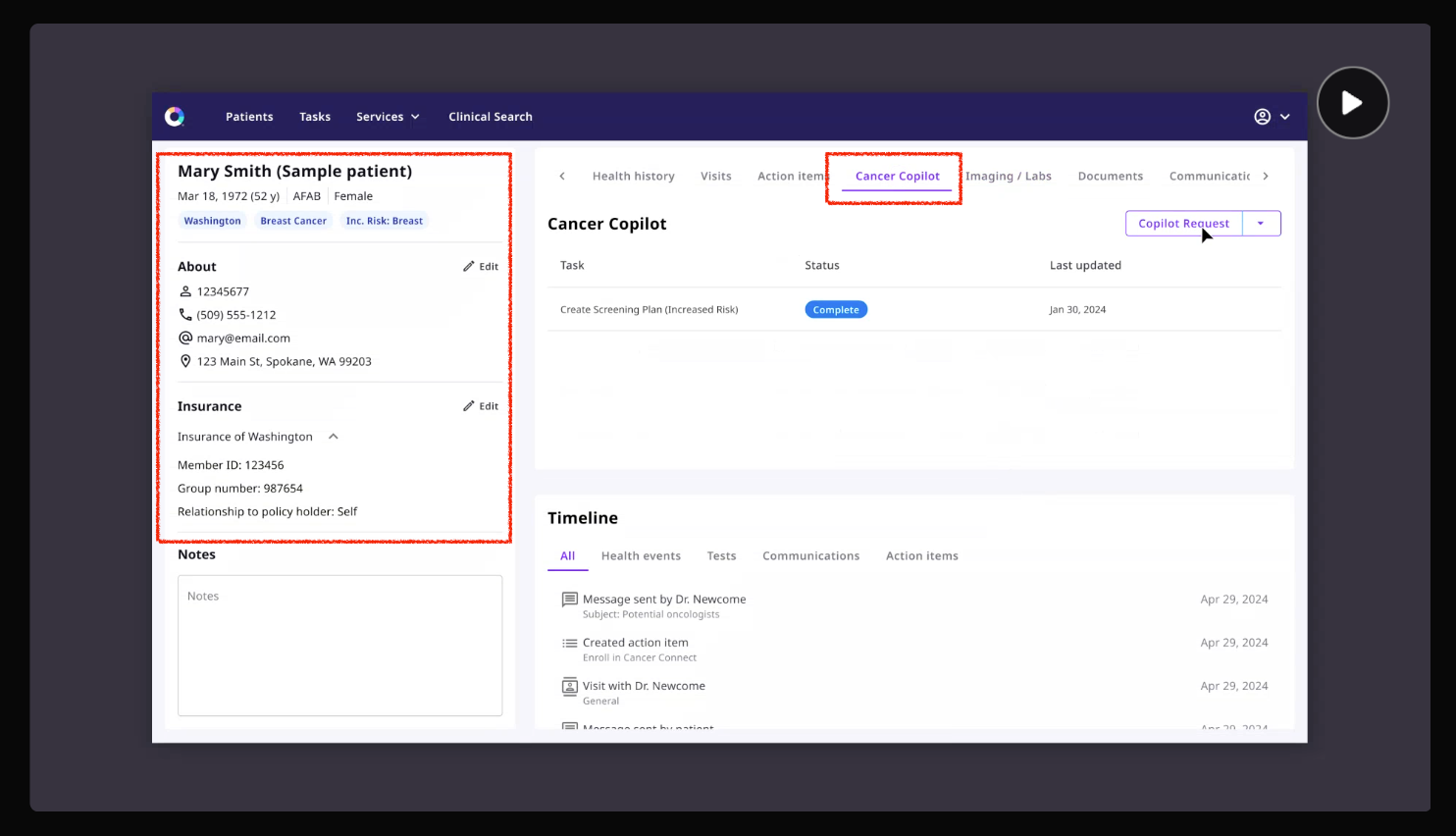
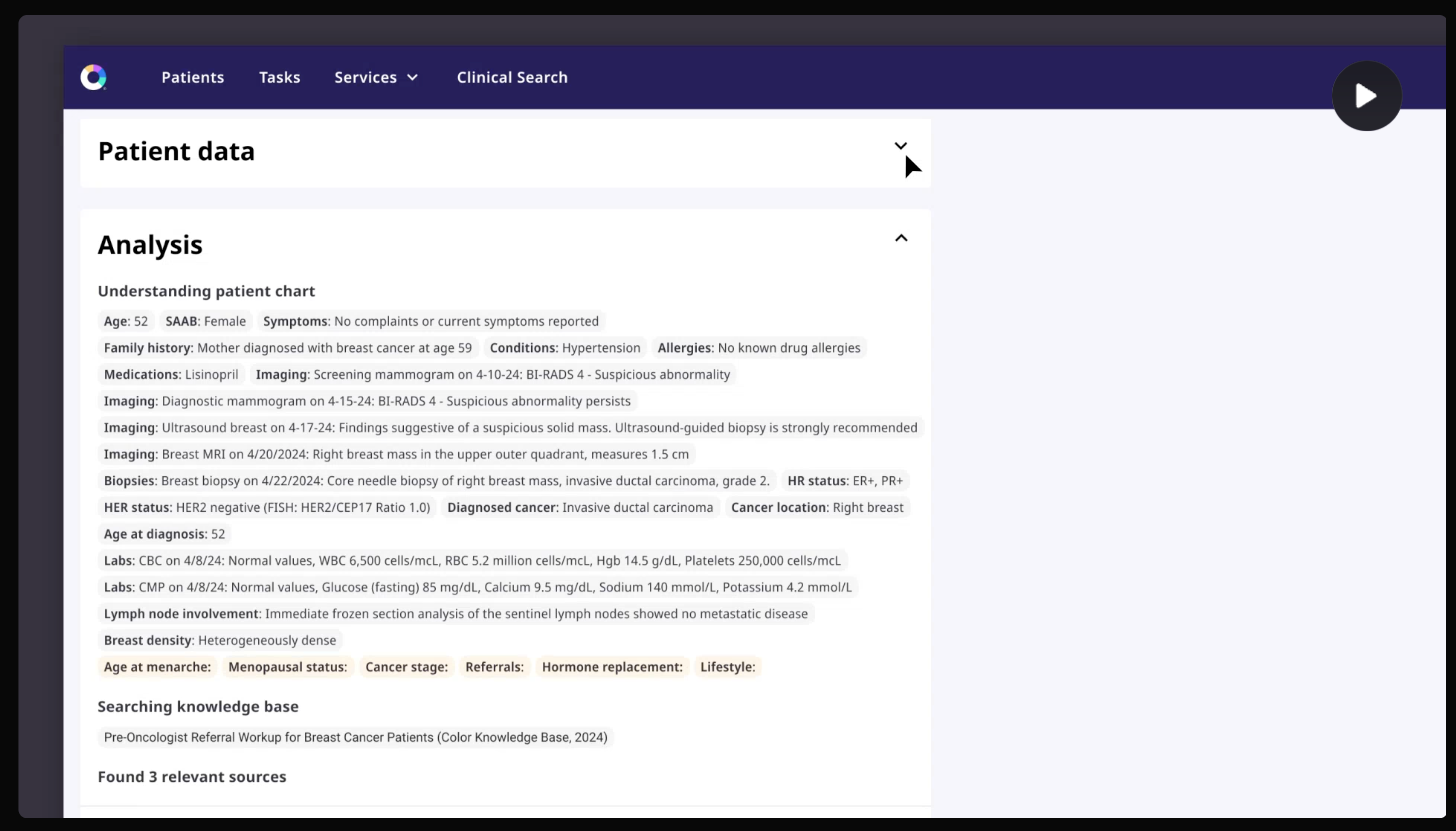
They adopted AI to solve this problem. The AI analyzes a patient's medical records, family history, and risk factors, compares them against trusted medical guidelines, and creates a personalized screening plan. It was especially good at organizing irregularly formatted information spread across many pages.
The time it took doctors to analyze patient records and find missing tests dropped from weeks to 5 minutes
Doctors using AI found four times more missing tests than those who didn't
They could more accurately grasp lab results, imaging exams, biopsy results, and more
Case 3. Deluxe's 'contract analysis' work
Background
Deluxe is a company that handles payments on behalf of businesses. When Company A sends 100 million won for goods to Company B, Deluxe safely processes the transfer in the middle. With services like this, Deluxe processes over 2,600 trillion won in business-to-business payments every year.
The problem
Recently, Deluxe faced a major problem. It has contracts with more than 900 clients, and every time a fee adjustment was needed, it had to review all of those contracts. Each client typically had 5–10 contract-related documents, each with different terms. Some companies had to be notified three months in advance before raising a fee, while others could only adjust fees once a year. Some companies even had a restriction that fees could be raised by no more than 5%.
Such contract reviews were a huge burden on employees. For example, when raw-material prices rose and fees had to be adjusted, 10 employees spent two weeks reading contracts one by one and organizing the terms in Excel. Mistakes were frequent, and important clauses were sometimes missed.
Applying AI work automation
They built an AI to read and analyze contracts automatically. When a staff member asks, "I need to raise fees by March—which clients should I notify first?", the AI finds the answer instantly. A task that took two weeks now finishes in two hours.
In practice, this AI is delivering remarkable results. If you want to raise fees by 4% next year, the AI instantly analyzes the contract terms and tells you. You can now grasp at once which clients must be notified at least six months in advance, which clients cannot have increases above 4%, and which clients require separate consent.
Deluxe plans to expand its use of AI. It intends to automate a variety of tasks with AI, from processing contracts with new clients to issuing invoices and taking orders.
Case 4. Paradigm's 'medical document analysis' work
Background
Paradigm is a company that connects cancer patients with clinical trials that are just right for them. Clinical trials are an important process for developing new treatments, and at the same time they can be a last life-saving chance for patients.
The problem
Doctors and nurses simply didn't have enough time to review each patient's medical records one by one and find suitable clinical trials. As a result, most clinical trials ended up involving only patients who lived near hospitals, and patients who lived far away often missed out on good opportunities.
At first, Paradigm tried to solve this problem by building a specialized medical AI. But this approach was far too inefficient. There were many types of medical information, and a new AI had to be built and trained for each one.
Applying AI work automation
Paradigm decided to try GPT-4. And GPT-4 grasped patients' conditions and found suitable clinical trials even more accurately than medical experts.
The time it takes to analyze new medical information dropped from months to days
The specialist time needed to verify AI results was reduced by 90%
Data analysis accuracy improved by 10%
Doctors and nurses could focus more on patient care instead of paperwork
What's especially noteworthy is the processing speed. Whereas a single nurse could review 50 patient records a day, the AI can analyze hundreds of patients' information per minute. Thanks to this, more patients can quickly find the clinical trial that's right for them.
Case 5. MongoDB's 'document processing' work
Background
MongoDB is a database company used by developers around the world. Tens of thousands of customers in more than 100 countries use MongoDB, and it has been downloaded over hundreds of millions of times.
The problem
As the company grew rapidly, employees were losing too much time to simple, repetitive tasks. The situation was especially serious for the accounting team. For example, an audit report had to be written every time there was a transaction of over 1 billion won, and that task alone took 7–8 days.
The HR team faced a similar problem. They had 40,000 documents to move to a new system, and employees had to download and re-upload them one by one. This task alone was expected to take 5 months.
Applying AI work automation
To solve these problems, they introduced AI tools and automated the processes.
Writing audit reports that took 7–8 days dropped to a few hours
A document migration task expected to take 5 months was finished in just 12 days
The AI took over automatically verifying signatures on thousands of order forms each month
Accounting close time was cut by 50%
Employees were freed from tedious tasks like simple data entry and document checks and could focus on strategic work for the company's growth. The sales team could research new sales strategies instead of hunting for database errors, and the accounting team gained the breathing room to think about more efficient ways of working.
Summary: 3 innovations created by AI work automation
Through the cases above, we can see three key changes that AI automation brings:
Innovation in time
State of Minnesota: a month → 48 hours
MongoDB: 7 days → a few hours
Paradigm: 50 records a day → hundreds per minute
Innovation in accuracy
Color Health: four times more missing items found
Deluxe: dramatic reduction in contract-clause analysis errors
MongoDB: human error minimized
Innovation in how work gets done
Employees freed from simple tasks to focus on strategic work
Faster decision-making and execution made possible
Improved customer service quality
AI work automation is easier than you think.
Just enter your company name, and Dalpha's enterprise analysis system will recommend a custom AI solution within 30 seconds.
Get an AI recommendation that's just right for your company!

kyungsuk chon