Video AI Trends for Content Creators: 3 Technologies That Pull Out Only the Key Moments
Want to use AI more effectively in video editing and production?
Then you need to understand how AI interprets and processes video.
In this article, we introduce the video AI technology trends drawing attention today, along with which content types each technology is best suited for.
3 Video AI Technology Trends
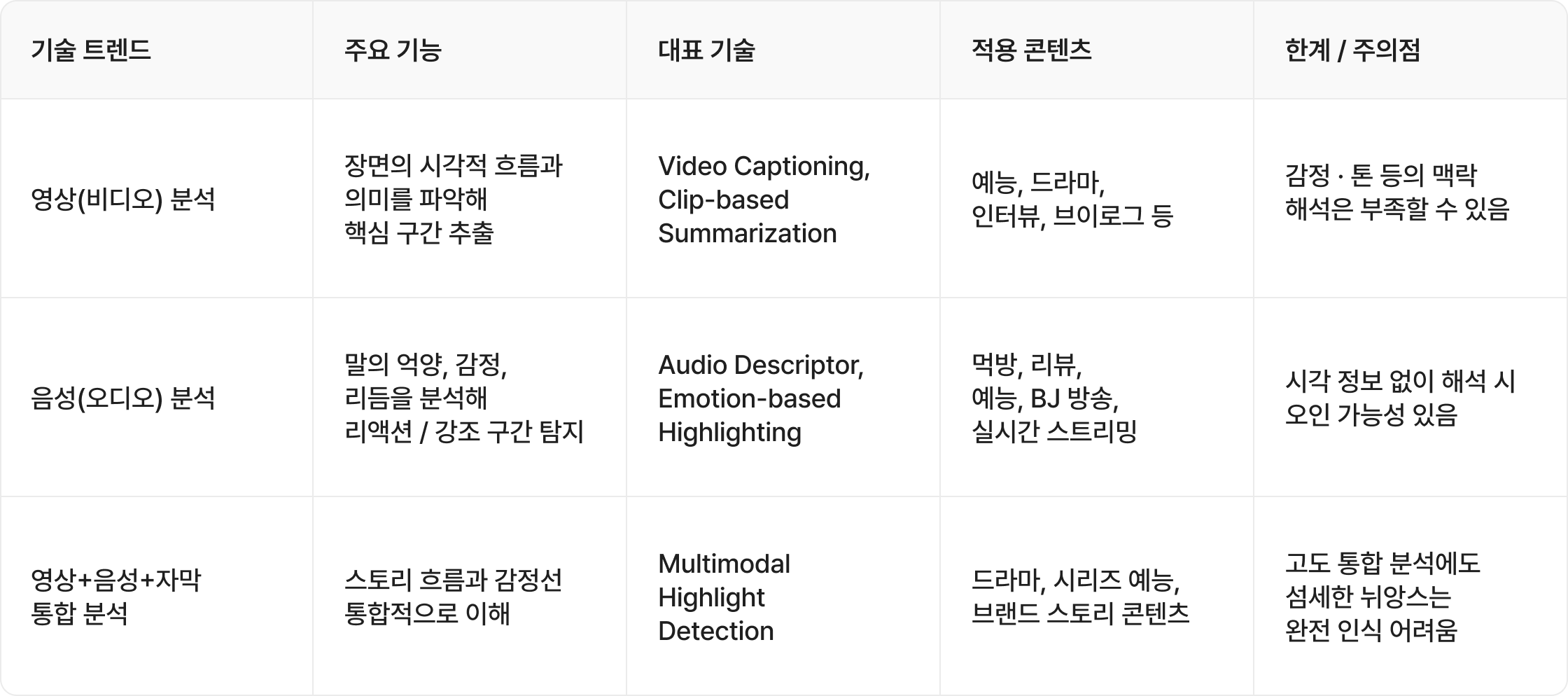
In general, AI analyzes video by dividing it into three elements.
☑️ Video (images)
☑️ Audio (voice)
☑️ Subtitles (text)
Video is a sequence of images with sound added, and that sound is converted into text through subtitles. So AI analyzes these three elements individually or simultaneously to find the core of the content.
1) Video (Image) Analysis: Capturing the Essence of a Scene
Video is a continuous stream of visual information. It conveys various messages through a person's movements, background changes, camera transitions, and more—but the longer a scene runs, the more tedious it becomes for a person to hunt down every important segment.
AI can automatically analyze this visual information to grasp the meaning and flow between scenes and quickly extract the key parts. The two representative technologies used here are below.
Video Captioning
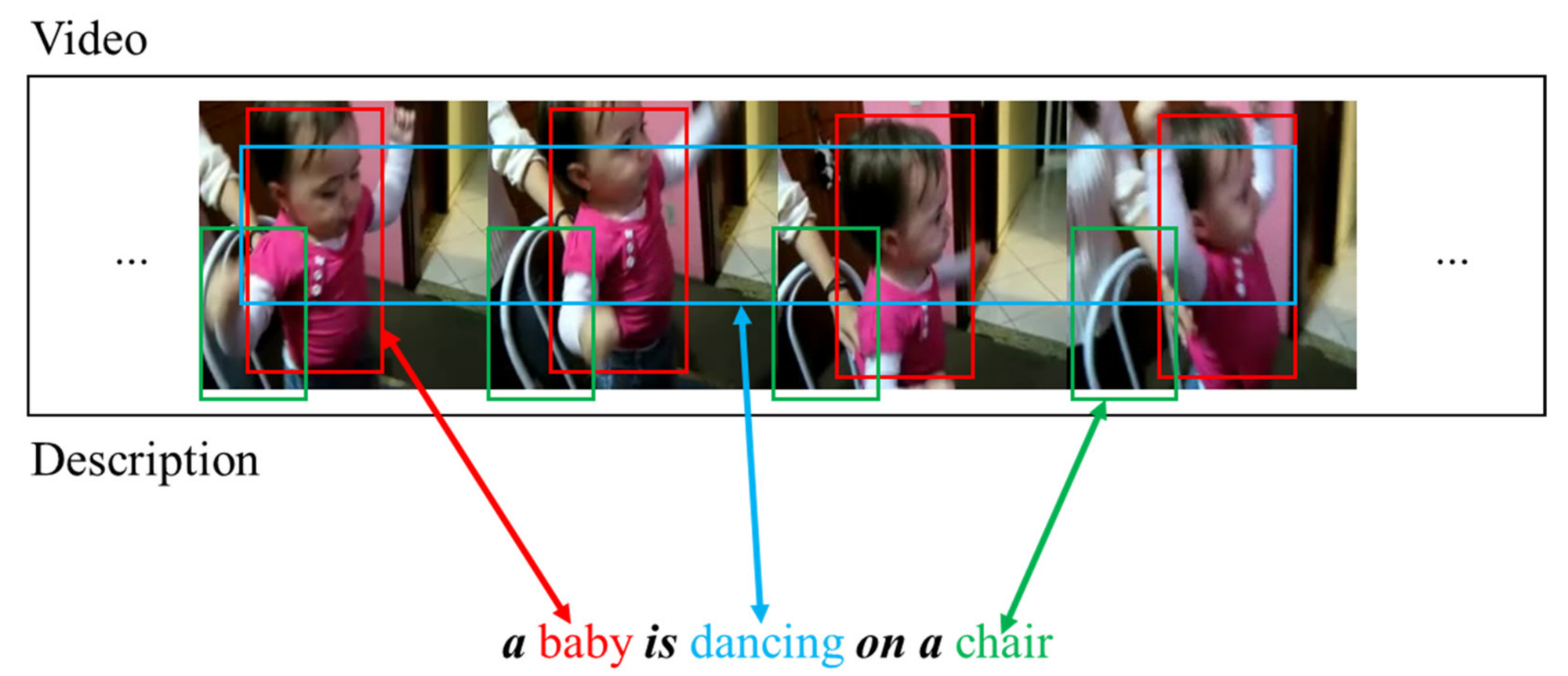
This technology lets AI recognize visual elements in a video—such as people, actions, and backgrounds—and describe them in natural-language sentences.
Examples: "The cast member is reacting on stage with a surprised expression," "Two actors exchange emotions and converse at a café."
Benefit: By automatically grasping scene context, editors can pull out highlight candidates without analyzing everything by hand.
Common uses: Well suited for rough cuts and summaries of content where understanding the situation matters, such as variety shows, dramas, and reality programs.
Clip-based Summarization
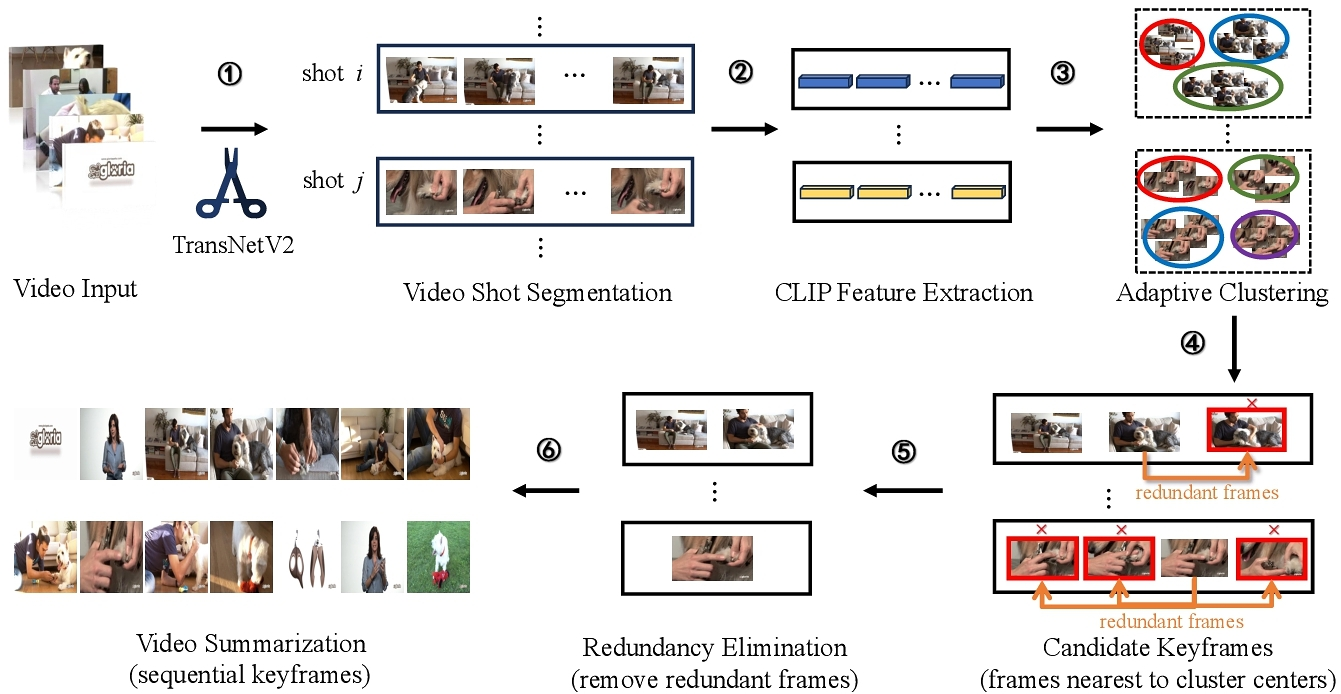
This technology lets AI automatically extract only the key clips from a long video based on importance and flow.
Example: A 2-minute best-of clip made by extracting only the scenes with the biggest laughs from a 1-hour YouTube variety show.
Benefit: It becomes easy to create short-form content with only the key scenes, and it also raises the chances of repeat viewing for long videos.
Common uses: Useful for video planning aimed at repeat consumption, such as variety shows, drama highlights, short-form summary content, and streamer (BJ) broadcast editing.
Summary
Video analysis excels at reading the visual flow of a scene and quickly capturing meaningful moments.
It's especially useful when you want to summarize only the key scenes from long-running content.
Limitation
However, it's hard to fully understand the depth of emotion or the entire context from video information alone.
Because expressions or actions alone can lead to misreading the mood of a scene, supplementary analysis with audio or subtitles is sometimes needed.
2) Audio (Voice) Analysis: Capturing Emotion and Mood
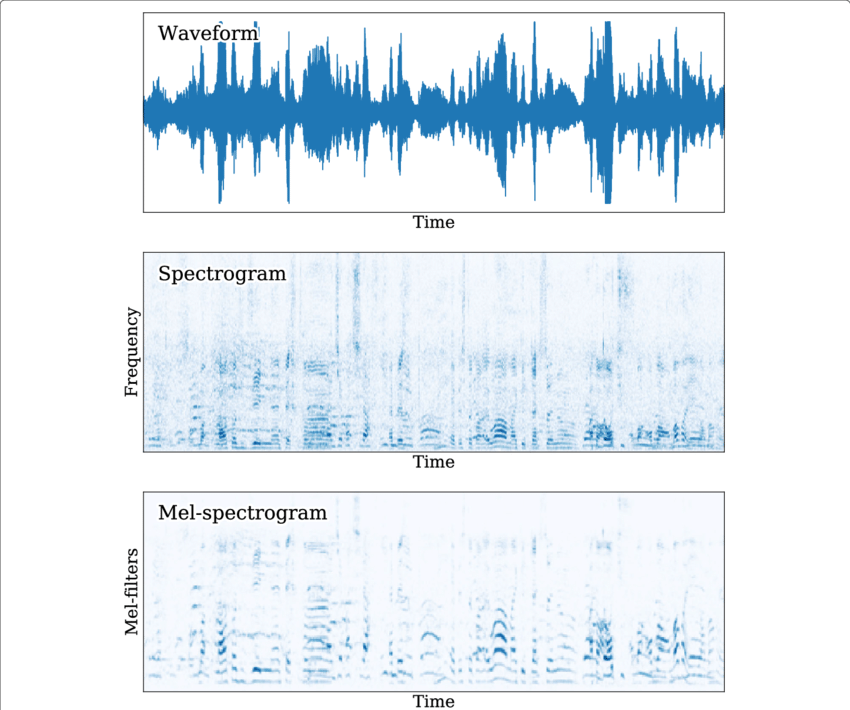
The voice in a video hides information that text can't express.
Things like intonation, pace, and shifts in emotion can only be confirmed through audio, not text.
These are key elements that determine a content's immersion and emotional arc.
AI analyzes these voice features to automatically detect entertaining reactions, emphatic statements, and emotional high points.
Audio Descriptor (Voice Intonation/Tone Analysis)
This technology lets AI analyze stress, pitch, pauses, and more in speech to identify emphasized segments or mood-shifting points.
Example: The moment a cast member's tone shoots up while saying, "This is seriously legendary!"
Benefit: By recognizing speech carrying emotion or emphasis, editors can automatically extract impactful cuts without analyzing it themselves.
Common uses: Videos where emotional expression matters, such as variety shows, mukbang, and review content.
Emotion-based Highlighting
This technology lets AI recognize emotional reaction sounds—like laughter, awe, and surprise—to automatically extract highlights.
Example: A segment in a streamer (BJ) broadcast where laughter suddenly erupts and the chat window explodes.
Benefit: By automatically capturing the points viewers find "fun," you can quickly produce high-viewership clips.
Common uses: Emotion-immersive content such as internet broadcasts, reaction YouTube videos, and live-streaming editing.
Summary
Audio analysis can catch tone, intonation, and emotional shifts to automatically extract highly immersive segments. It's especially powerful for producing content where emotional expression is key, such as reaction-driven variety shows, mukbang, and streamer (BJ) broadcasts.
Limitation
That said, when judging a scene by sound alone, situations can arise that don't match the visual information.
For example, laughter may be heard while the video shows a monotonous scene, or an important explanatory scene may be missed.
So it's best used as a supplement where the audio's characteristics come through clearly.
3) Integrated Video + Audio + Subtitle Analysis: Understanding Context Like a Human
Content usually delivers its message with video, audio, and subtitles working together. The technology that analyzes these three elements at once is "multimodal analysis." It lets AI understand a story's context, emotional flow, and information emphasis points in an integrated way, almost like a human.
Multimodal Highlight Detection
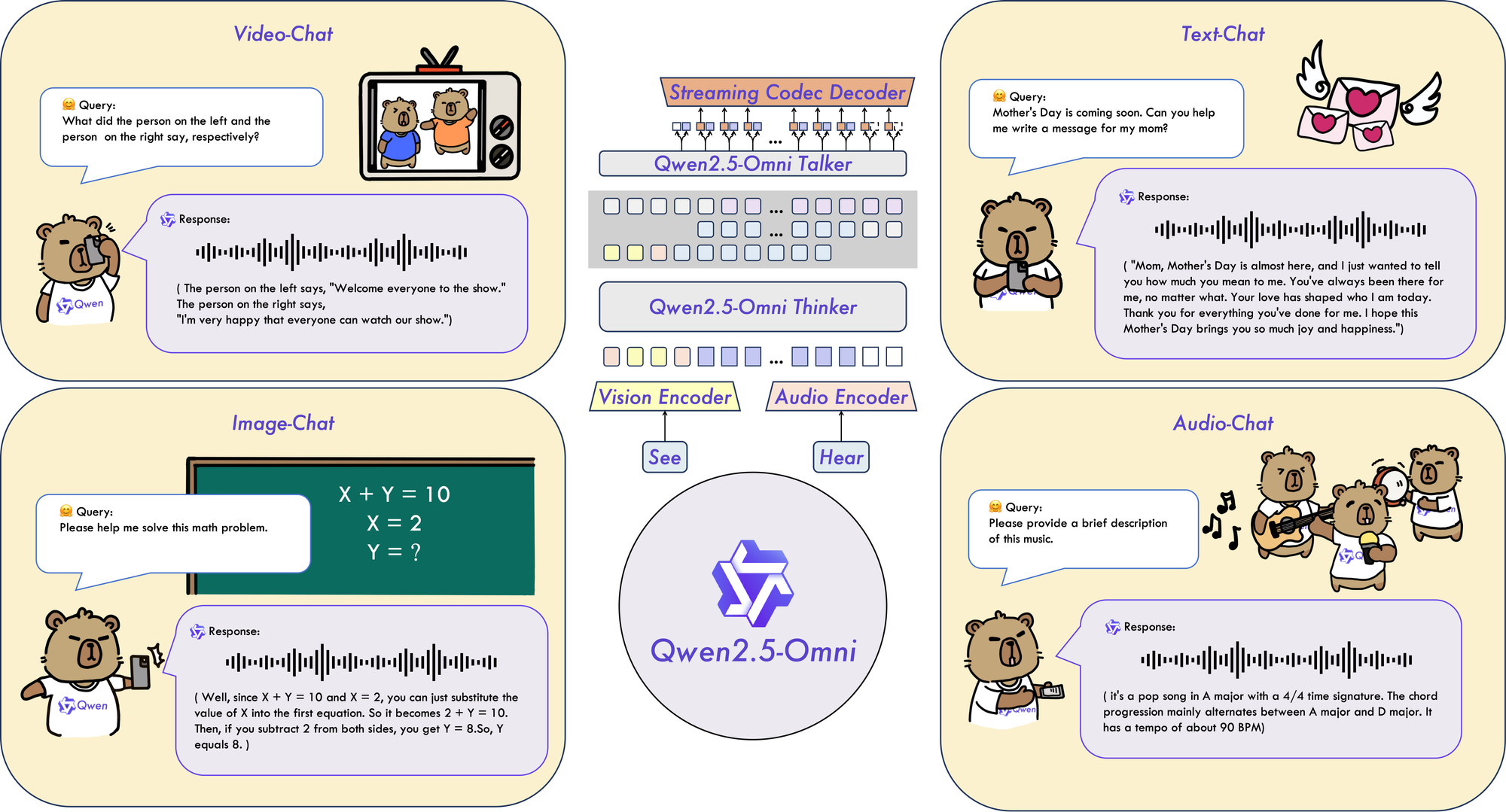
This technology analyzes three things at once—video scenes, voice intonation, and subtitle keywords—to automatically recommend meaningful editing timings.
Example: In a variety show, a cast member makes a shocking confession → a close-up of the surrounding people's reactions → subtitle emphasis → AI extracts this segment as a highlight.
Benefit: A feature where AI detects the "fun/touching" moments people feel in a similar way, improving both editing efficiency and quality.
Common uses: Drama summaries, best moments from variety shows, YouTube highlight clips, and automated Shorts production.
Summary
The multimodal approach that analyzes video, audio, and subtitles simultaneously is the most advanced analysis method, in that it can understand the story's flow, emotional arc, and even emphasis points in an integrated way.
It's especially effective for content that needs to deliver complex messages, such as dramas, story-driven variety shows, and brand video summaries.
Limitation
However, even by combining all the data, it's still hard to interpret subtle intent or nuance 100%.
In particular, scenes where humor or complex, intersecting emotions appear require a final human touch to produce the best results.
Wrap-up
Want to edit and produce your company's video content with AI?
So far, we've looked at how AI can be usedin the video content production process,
and which analysis technologies are suited to each content type.
Dalpha builds AI solutions with video analysis and editing processes custom-designed to fit the nature of your content.
To date, we've been running custom AI projects for video content companies such as Dingo (MakeUs), SOOP (formerly AfreecaTV), and broadcaster J.
If you want to improve your company's video content production with AI, consult with a professional AI consultant.
At Dalpha, through 1:1 consulting,
we plan and build AI agents optimized for each company.
Free consultation—if you're curious, reach out anytime!
Dalpha Blog