What If Your Brand Had Palantir? Here’s What Changes
[1] What Is Palantir, and Why Is It So Hot?
Over the past few months, Palantir has been mentioned unusually often in Korea.
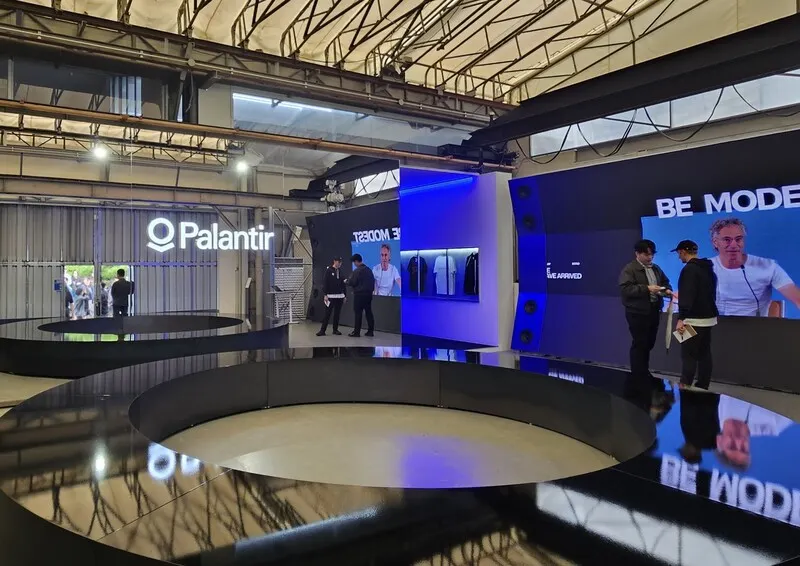
It even opened a pop-up store in Seongsu, and the response was so intense that the merchandise sold out almost immediately.
But when you actually talk about Palantir, you often hear reactions like this:
Most people still do not know exactly what Palantir AIP does.
Ontology? Foundry? AIP (AI Platform)? To practitioners at consumer brand companies, they are all unfamiliar terms.
Even so, everyone has probably imagined this kind of scenario at least once.
“What if a Palantir-like system came into our company?”
“Could we run our operations with advanced AI like that?”
“Would marketing, ordering, inventory management, and promotion decisions become easier?”
Today, I want to bring that imagined scenario into the reality of consumer brands.
The goal is not to introduce Palantir itself.
Why Palantir became the archetype of “decision-making AI,” and why its core concepts matter to consumer brands.
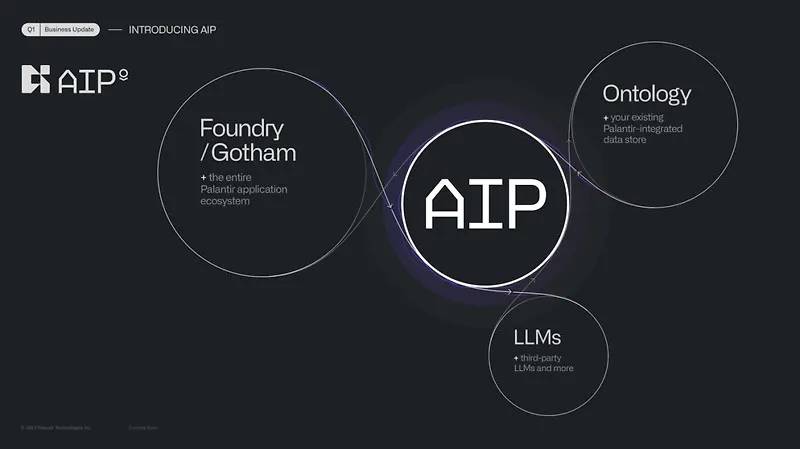
The point we often miss is surprisingly simple.
Palantir’s real power is not AI itself, but ontology: the ability to structure a company’s internal data into a single shared language.
Now, let’s look at real implementation cases to see how this structure works.
[2] Decision-Making AI Based on Ontology, Seen Through Palantir Use Cases
Palantir has several implementation stories that are frequently discussed.
Of them, I selected two cases that will resonate most with practitioners at consumer brands.
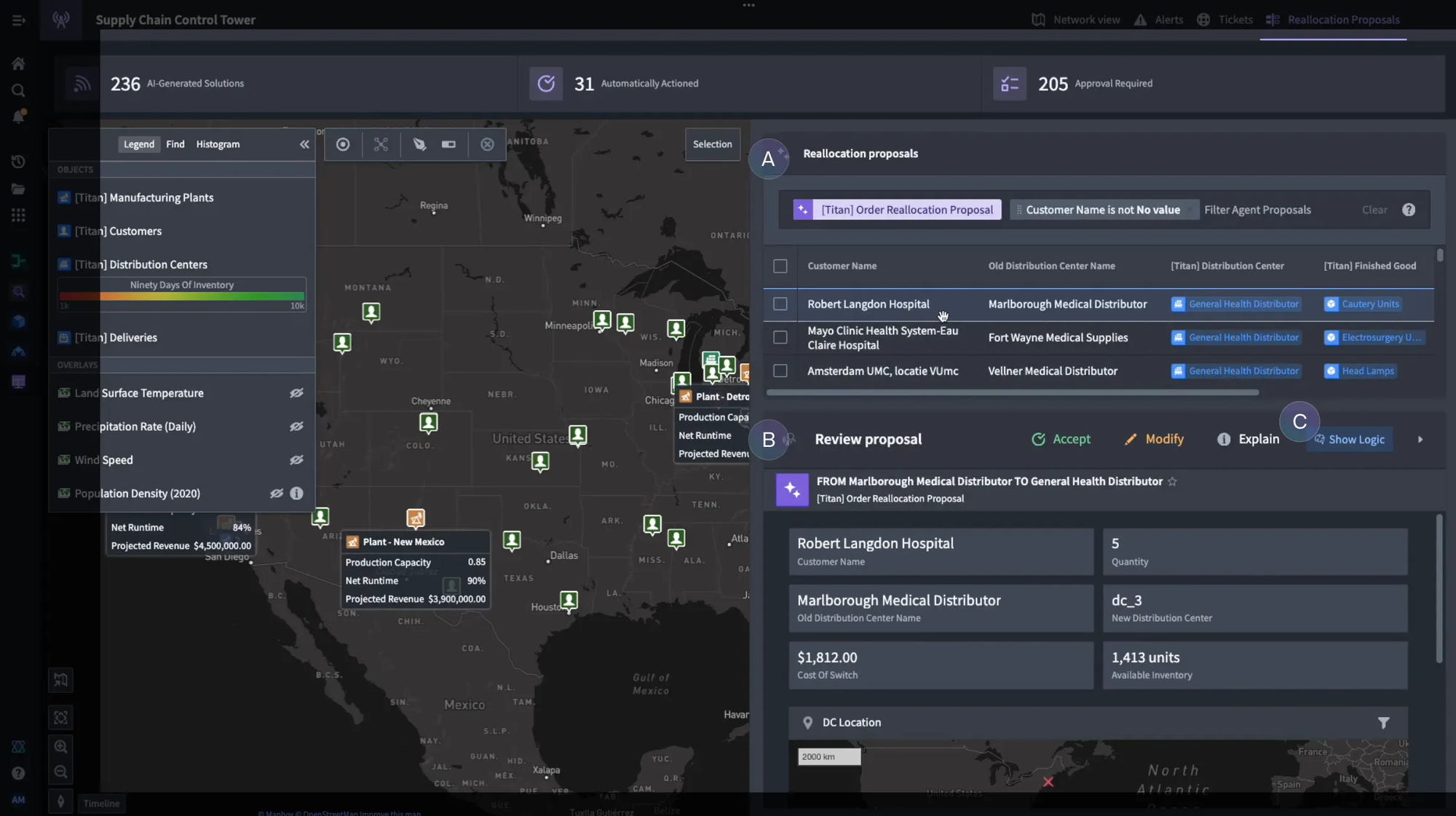
As you read these cases, it may help to understand ontology and AIP this way.
Ontology: an integrated data model that connects company data like the real world
AIP(AI Platform): an operating platform where multiple AI Agents run on top of that ontology
1) Wendy’s: Turning 6,400 Stores into One Digital Supply Chain Brain
Wendy’s is a global QSR (Quick Service Restaurant) brand that operates more than 6,400 hamburger franchise stores across North America.
But with that scale came complex supply chain problems.
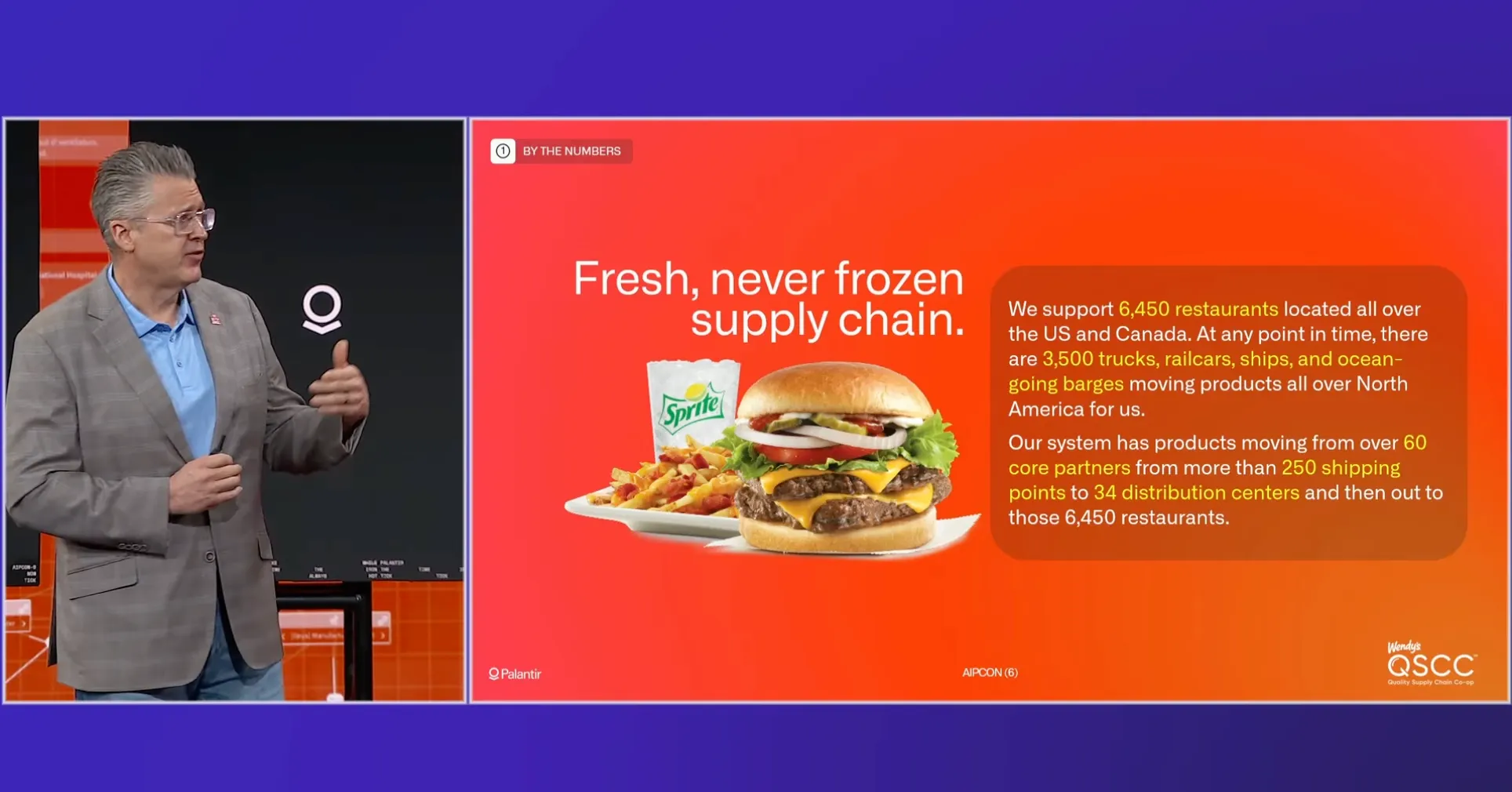
Problem and background: a classic silo structure
Sales, inventory, and logistics data each existed separately.
Whenever a limited-time menu promotion launched, the same pattern repeated: demand spike → inventory shortage → stockout → lost revenue.
It took 48–72 hours to recognize the problem, which meant it was already too late.
To solve this, Wendy’s introduced Palantir AIP + Foundry Ontology.
What ontology and AIP did: integrated enterprise data into one meaning system
Product, store, logistics, and supplier data were defined as one ontology model.
Sales volume, inventory, movement routes, and promotion effects were connected and simulated in real time, based on AI Agentss.
Example: simulation on the first day of the SpongeBob collaboration burger menu launch
Detected a demand surge within 12 hours
Immediately proposed production and logistics reallocation
A decision that would have taken 2–3 days in the old structure was resolved in just a few hours through integrated data and AI Agentss.
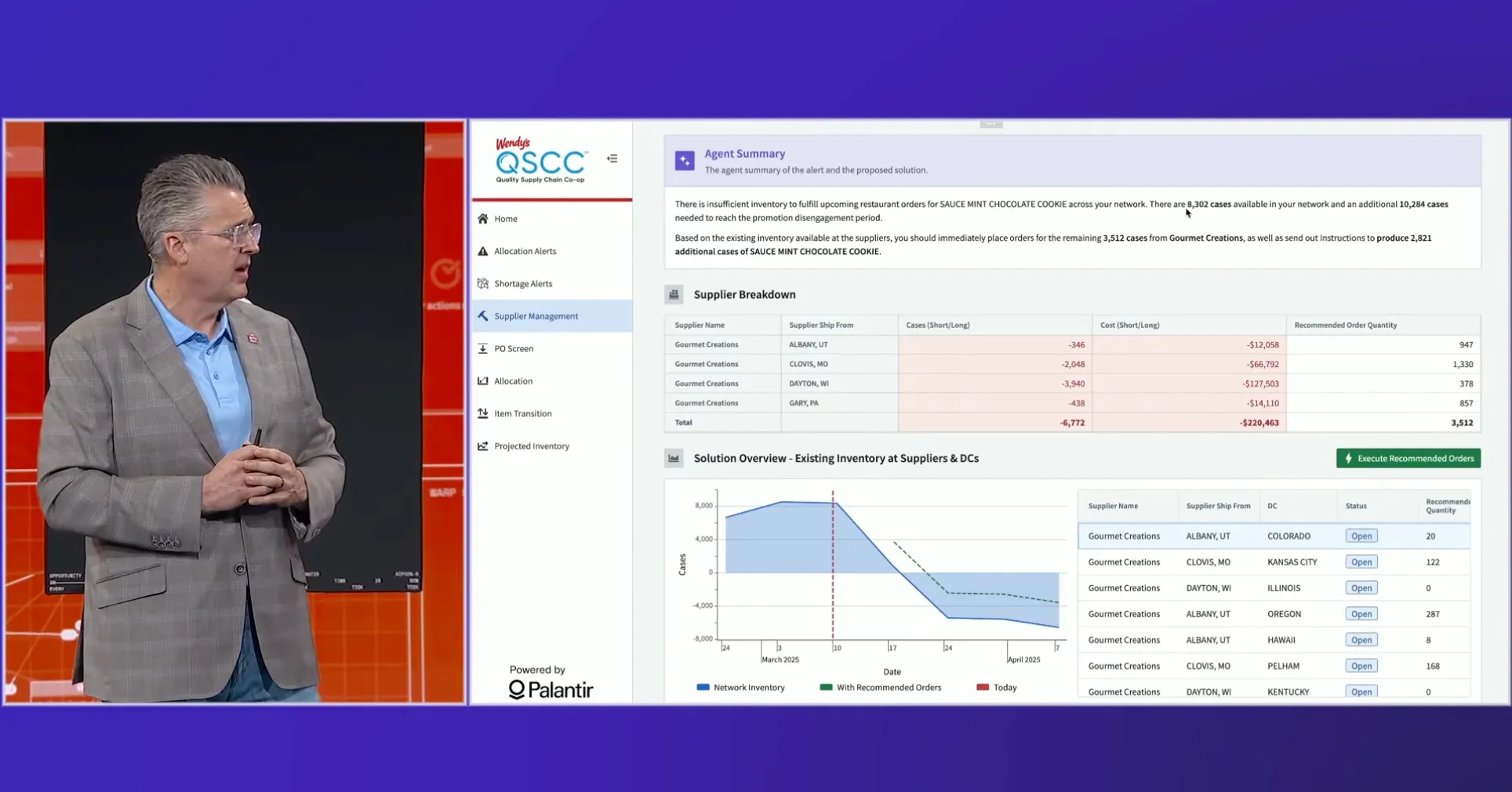
Results and insights
Prevented products from selling out in the middle of promotions.
Identified store-level inventory risks in advance → preserved revenue opportunities.
This perspective can extend directly to demand forecasting, ordering, and channel mix adjustments inside consumer brands.
And the key point is this:
AI did not simply fix inventory. Ontology changed the entire product supply chain into a single decision-making unit.
It also created the platform where demand forecasting AI Agentss and supply chain reallocation AI Agentss could operate freely.
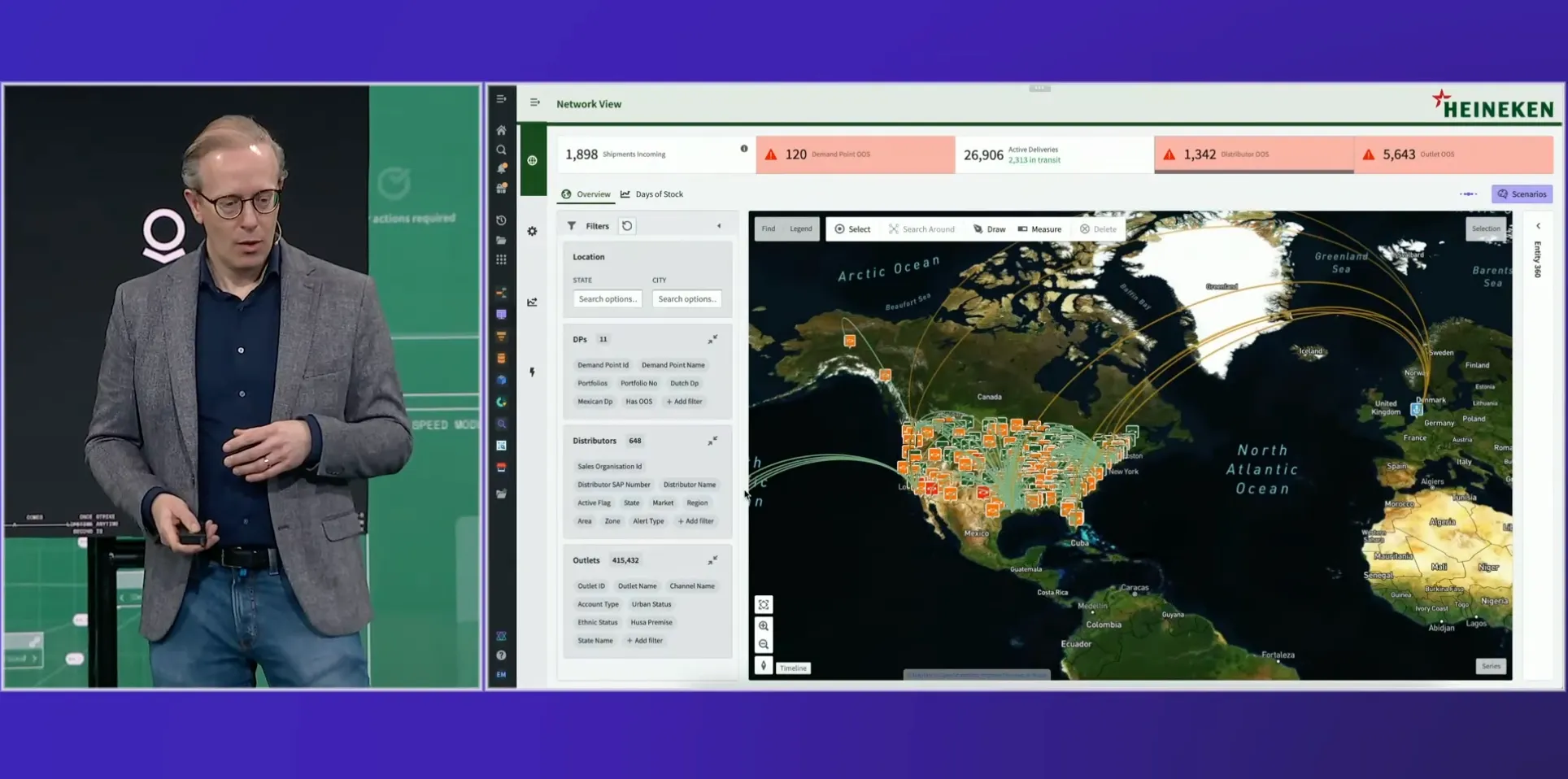
2) Heineken: Turning a Global Supply Chain into a 24/7 AI Operating System
Heineken is the world’s second-largest global beer manufacturer and distributor, supplying products to more than 190 countries.
If you like beer, you have probably heard the name at least once.
After the pandemic, Heineken’s enormous supply chain faced even greater uncertainty.
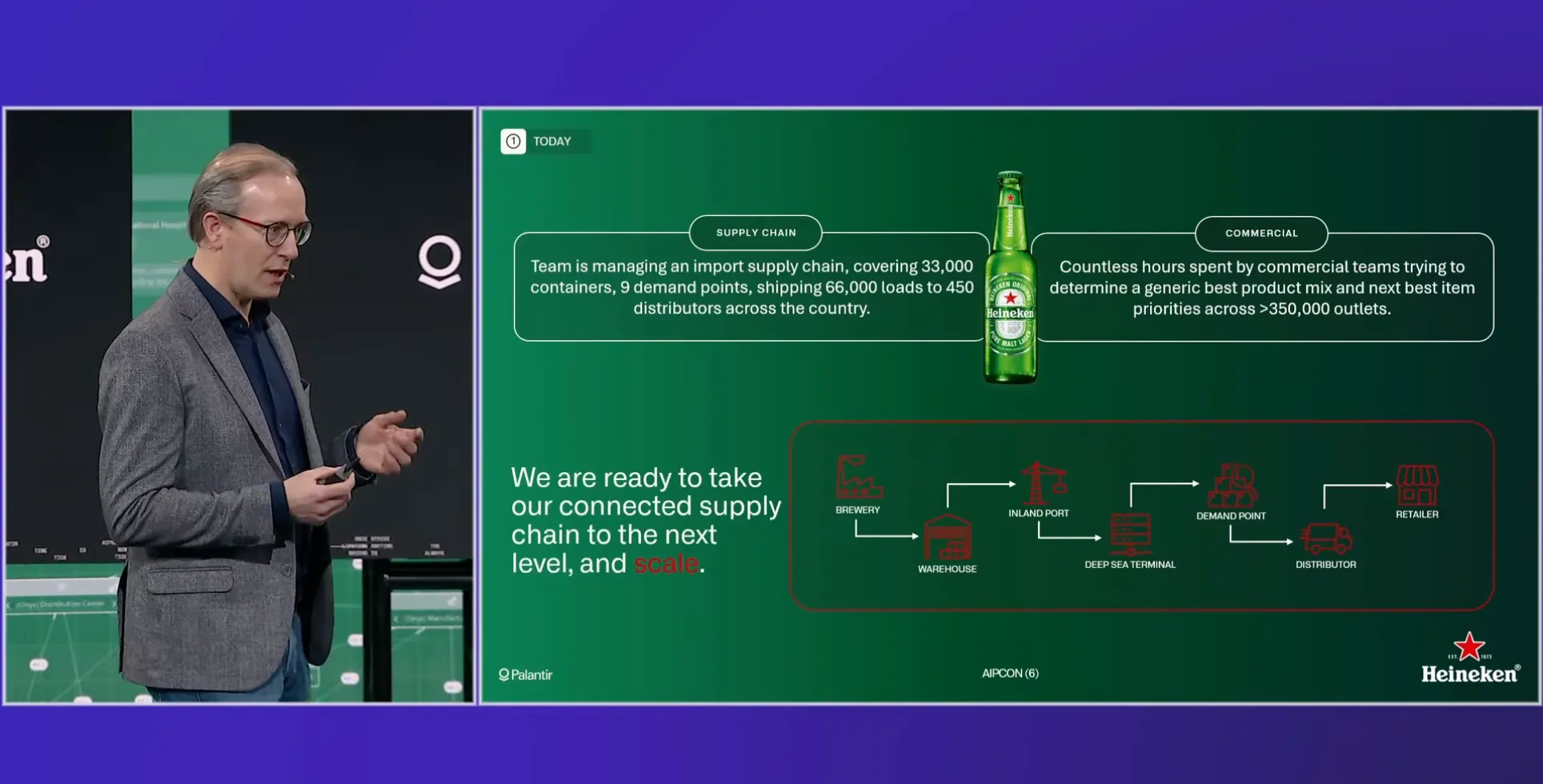
Problem and background: an ultra-complex supply chain too difficult for humans to manage manually
A structure spanning breweries, ships, ports, 9 logistics centers in the United States and 450 distributors.
Supply-related issues such as port congestion, truck shortages, and brewery shutdowns occurred simultaneously.
Excel and simple dashboard-based operations made it difficult to move beyond reacting only after problems had already erupted.
The need became clear: tomorrow’s problems had to be solved today.
Heineken chose Palantir as the partner to solve this problem.
What ontology and AIP did: fast-forwarded the entire supply chain three weeks into the future
Production volume, ship location, port waiting status, and warehouse inventory data were connected into one ontology model.
On that foundation, the supply chain was virtually fast-forwarded up to three weeks ahead to detect excess and shortage points in advance.
To resolve detected risks, three AI Agents algorithms ran automatically 24/7.
🍺 Abu: when inventory shortages were expected, certain orders were shipped earlier, breaking FIFO.
🚚 Dr. Dre: immediately after port arrival, containers were picked up immediately to prevent demurrage fees.
📦 Neptune: right before departure, the latest demand was reflected to automatically readjust destinations.
This was not a human clicking every button. It was a structure where AI made and executed decisions automatically according to rules defined in the ontology.
Results and insights
Cost drivers such as stockouts, excess inventory, and port demurrage fees were removed in advance
The supply chain shifted from a structure that responds to erupted problems to one where AI proactively fixes problems.
Inside the organization, algorithms were given nicknames such as Abu and Dr. Dre, forming a culture where AI was used like a real operating partner.
This perspective can extend directly to most decisions where forecasting and simulation matter, including marketing budget allocation, promotion planning, and initial ordering for new products in consumer brands.
And the key point is this:
AI did not “automate the supply chain on its own.” Ontology redefined the entire supply chain as one decision-making unit, and multiple AI Agentss such as Dr. Dre became able to move on their own on top of it.
[3] What Is Ontology, and How Can It Apply to Your Brand?
At this point, you might be thinking:
“Sure, but isn’t that only possible for global companies like Wendy’s or Heineken?”
But ontology and the decision-making AI that runs on top of it are not a matter of scale. They are a matter of structure. Consumer brands can adopt a very similar structure.
Ontology may sound like a difficult technical term, but when you map it to the actual work of a consumer brand, it is quite simple.
1) Ontology = Rearranging Brand Operating Data into a Thinking Structure
Ontology is not a grand, abstract concept. It is closer to rearranging the brand operating data you already have into a structure that can support judgment by rearranging it.
Just think about the data you work with every day.
Sales volume, inventory, lead time, MOQ
SKU attributes, cost of goods sold, bundle composition
Promotion information, discount rates, influencer costs, performance marketing spend
Platform fees, margin rates, and more
But these data points are usually not connected to one another. They are scattered across Excel files, ERP, platform seller centers, and team dashboards “meaningless numbers”, often remaining as
Ontology reorganizes this data in the order of meaning → relationships → rules, implementing the way a brand actually makes judgments on top of data.
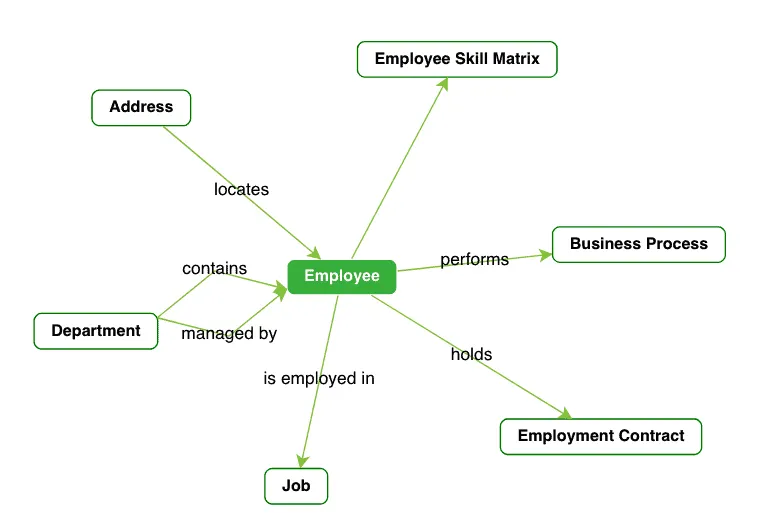
2) Ontology Changes Data in This Way
Meaning: clearly defining what the data actually means
Example:
Inventory = available inventory? Includes reserved stock? → standardize as available inventory.
Revenue = shipment basis? payment basis? before or after platform deductions? → standardize as actual payment basis.
Once data definitions are unified, AI can understand them with the same meaning.
Relationships: creating connections between data points
Example:
Price → sales volume → inventory → order quantity → contribution margin
CTR → conversion → revenue → ROAS → whether to reinvest
Previously, people connected these by opening multiple Excel files. Ontology fixes the connections into the system.
Rules: injecting the brand’s own judgment criteria into data
Example:
Ordering considers lead time, MOQ, seasonality, and promotion plans together.
Discounts are limited when margins fall below a threshold.
Certain categories are reordered only when turnover falls below a specific level.
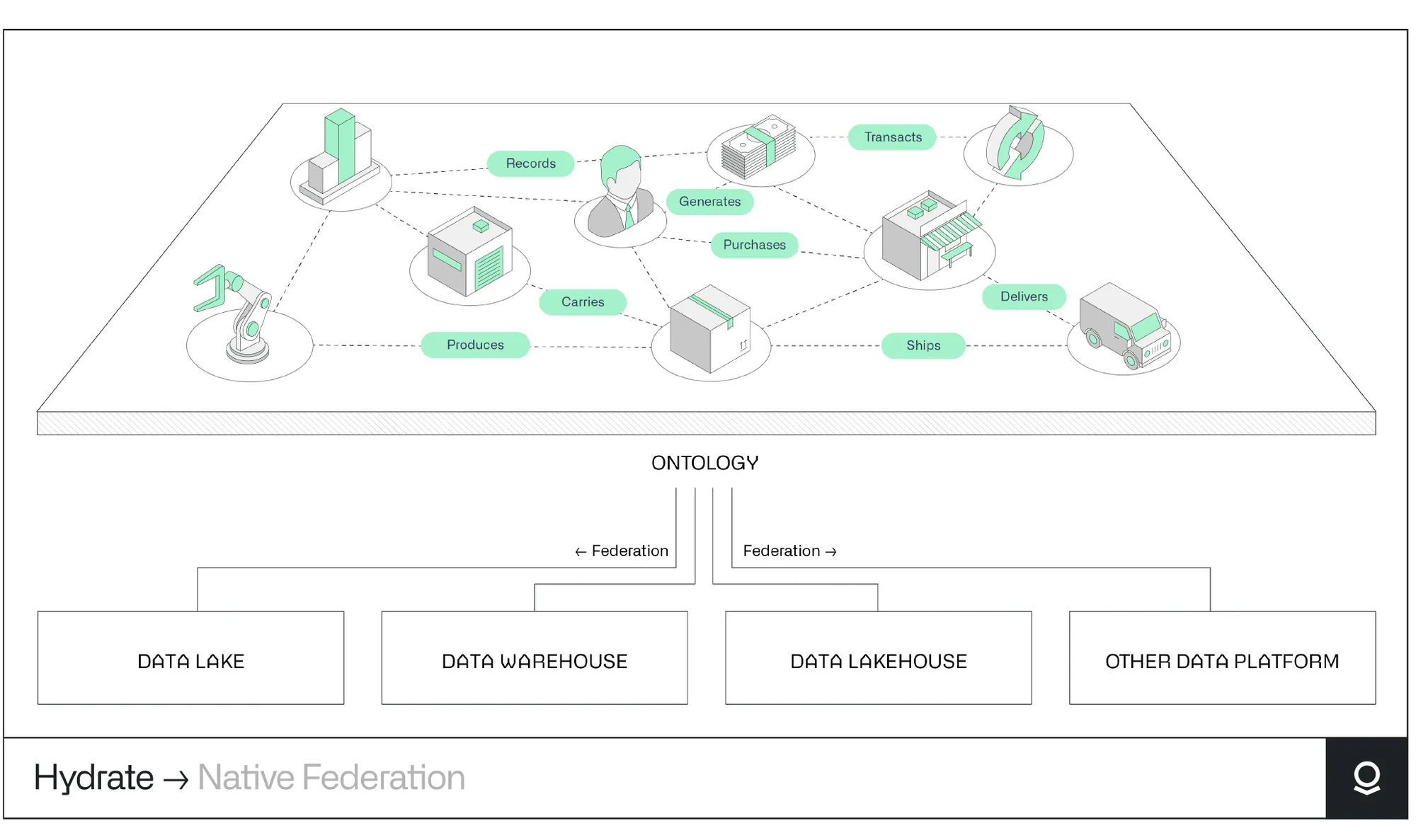
Ultimately, ontology is the work of rearranging data that contains brand operations into a thinking structure.
3) How Would Operations Change for a Consumer Brand?
Once an ontology exists, AI can go beyond simple analysis and suggest which choice makes sense from the brand’s perspective.
For example:
Order quantity optimization: connect sales, inventory, lead time, and MOQ → recommend the optimal order quantity based on contribution margin
Promotion operations: consider inventory pressure, margin, seasonality, and sales trends → automatically generate scenarios for promotion intensity and duration
Dynamic pricing: calculate price changes → sales changes → contribution margin changes in real time → suggest the optimal price by product
Influencer and performance marketing: reflect relationships among CTR, conversion rate, and compensation cost → recommend the optimal marketing mix
To summarize:
Ontology turns data into the language of operations, and it is the foundation that allows AI to think like a brand: the essential foundation.
This structure does not have to be a massive Palantir-scale system. It can be brought into a version for your own brand.
That is what we are building at Dalpha.
[4] Dalpha’s Ontology and AI Agents
Palantir is an excellent reference point, but realistically, most consumer brands cannot immediately adopt a system at that level.
Dalpha is reinterpreting the same principle from the perspective of brand practitioners and applying it to consumer brands in Korea.
1) Beauty Brand Case: Reframing Influencer Marketing as Data Structuring + AI Agentss
Data integration: ontology construction
In beauty brand influencer marketing, influencer lists / campaign-by-campaign contract terms / content performance metrics / conversion, revenue, and ROAS data are scattered across separate Excel files.
AI Agents: decision-support AI design
On top of the ontology, the following core Agents operated.
Recommendation Agent: recommends the best influencer candidate group based on brand tone, budget, and past performance
Synopsis Agent: automatically generates campaign copy and synopses based on SNS trends and target audience interests
Operations Agent: automates repetitive work such as seeding DMs and response organization
Performance Agent: reflects campaign results back into the ontology for the next strategy
Implementation effects
Reduced influencer sourcing and operations lead time by about 60%
Shifted influencer selection and project execution from gut feel → performance prediction.
Established a learning structure where ROAS against budget gradually improves.
Dalpha tied this into one ontology.
"what conversion rate and ROAS result when a specific message is delivered to a specific influencer at a specific cost” can be calculated based on data.

2) Fashion Brand Case: Shifting Demand Forecasting and Ordering to a Contribution-Margin-Centered Structure
Data integration: ontology construction
For fashion brands, the problem is that order planning data such as product-level sales volume / inventory and turnover / lead time and MOQ / season and collection information / cost, fees, and return rates are scattered across different systems.
AI Agents
Demand Forecasting Agent: forecasts demand by SKU while reflecting seasonality and promotions
Ordering Scenario Agent: generates optimal ordering plans under lead time and MOQ conditions
Ordering Action Automation Agent: automatically executes ordering actions by integrating confirmed ordering plans with internal WMS/ERP
Implementation effects
stockout and excess inventory risk by an average of 15%
inventory-related costs by 8–18%
Established a system based on data-driven decision-making based on contribution margin, rather than same-month-last-year comparisons.
Dalpha integrated this at the SKU level.
“when and how much to order by SKU in order to maximize contribution margin without stockouts or excess inventory” can be calculated through the ontology model it built.

3) Finally: One Question for Brands
If you have read this far, this question may have come to mind at least once.
“What does our brand’s ontology look like right now?”
Are your data points still scattered across teams, systems, and Excel files, each telling a different story?
What Palantir showed was not simply a massive system. It was a way of structuring data into an ontology and letting AI support decision-making on top of it.
Korean consumer brands can also adopt this in a fully realistic form.
Dalpha is building an AI Agents Platform that designs brand-specific ontologies and decision-making AI based on internal data from consumer brands.
If you are now wondering, “How could our brand’s ontology be designed?” we would be glad to work through that question together.
Discuss data integration and AI Agents tailored to your company with Dalpha

Junbok Lee