AI Agents 101: What They Are and Why They Matter
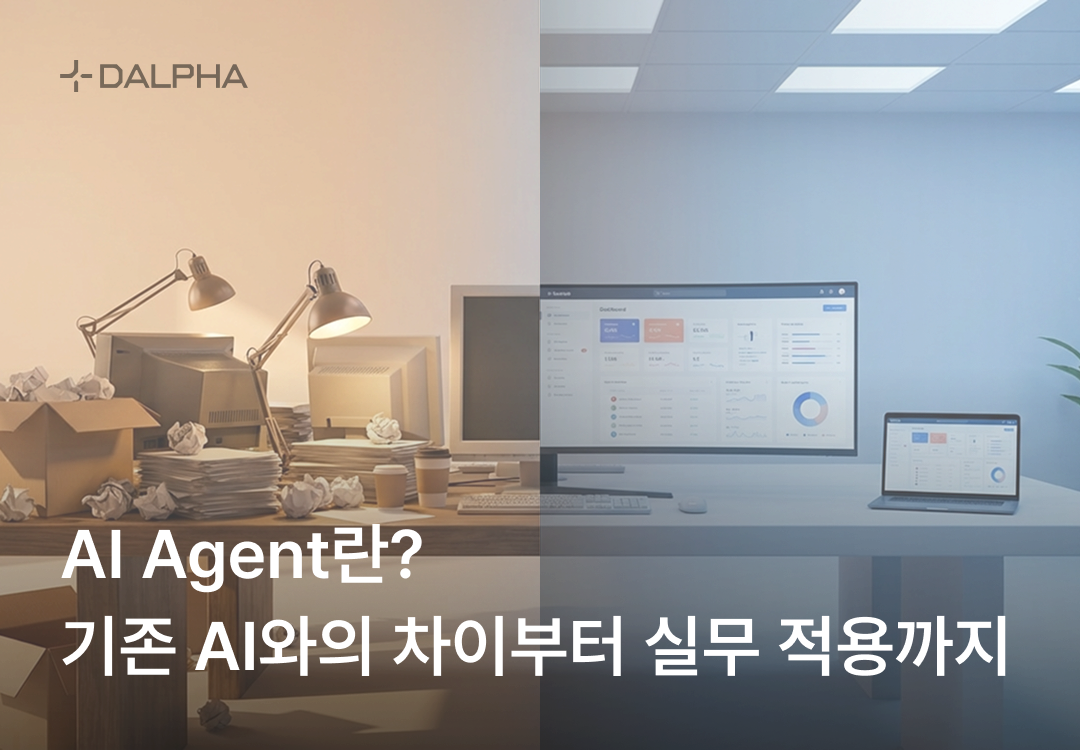
Recently, the term “AI Agent” has been appearing more often across the AI industry. Many people have used conversational AI tools like ChatGPT, but an AI Agent is a slightly different concept. It goes beyond answering questions. It refers to AI that can judge situations and take action on its own.
1. What is an AI Agent?
An AI Agent is an AI system that plans on its own, uses the necessary tools, and acts continuously to achieve a specific goal. If you ask it to “analyze this month’s sales data and create a report,” it can find the data, analyze it, visualize it, and organize the results into a document by itself.
Why is it gaining attention now?
AI Agents are entering practical use as three technological shifts come together.
First, large language models such as GPT, Gemini, and Claude have become much better at understanding complex instructions and reasoning logically. Second, AI can now call and use external APIs, databases, and software directly. Third, companies increasingly want to automate work that requires judgment.
If traditional chatbots follow predefined rules, AI Agents assess the situation and complete goals across multiple steps. When a customer asks, “When will the product I ordered last week arrive?”, an AI Agent can find the customer information, check the order history, look up delivery status, and respond.
2. How is it different from traditional AI?
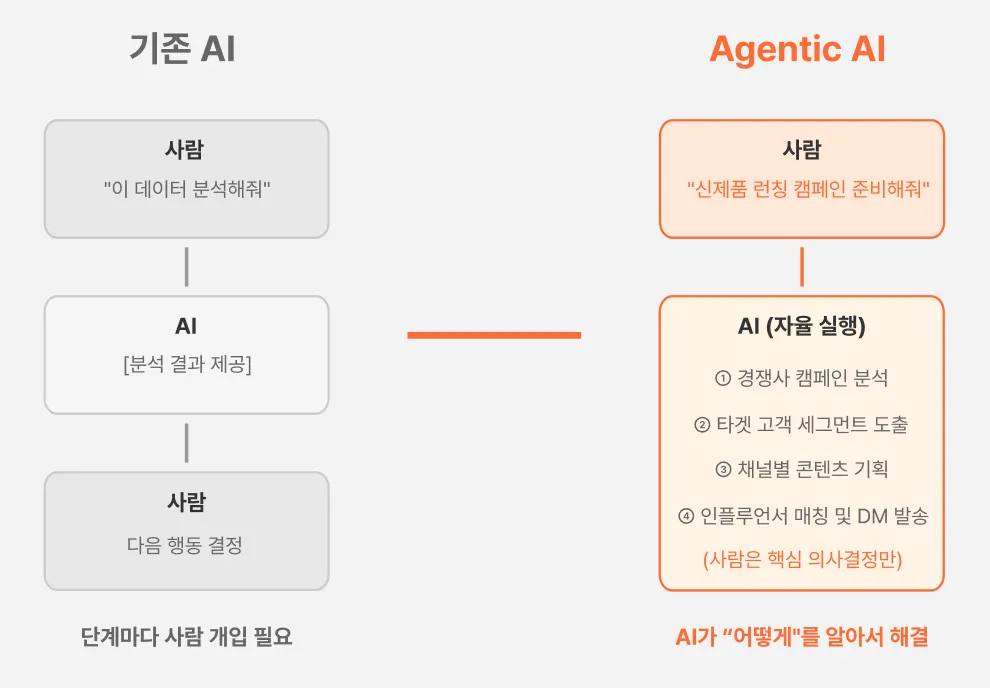
Traditional AI mainly acts as an information provider. It answers a question, and when the conversation ends, the context disappears. An AI Agent is closer to a work performer. When given a goal, it plans multiple steps, evaluates intermediate results, and adjusts direction when needed.
Key differences
Context retention: An AI Agent tracks the entire flow of a task and uses the result of one step in the next. In inventory analysis, it can move from checking current stock to deciding whether an order is needed to drafting a purchase order.
Tool use: Traditional AI mainly generates text. An AI Agent can query databases, call APIs, read and write files, and run other software.
Continuous action: Traditional AI provides one output for one input. An AI Agent performs multiple actions in sequence to achieve one goal. If the goal is “competitor price monitoring,” it can automatically handle web crawling, data organization, comparative analysis, and report writing.
Execution capability: Traditional AI only provides suggestions. An AI Agent can execute directly within an approved scope. If it determines that ad budget adjustment is needed, it can actually access the advertising platform and change the budget.
Category | Traditional AI | AI Agent |
|---|---|---|
Role | Information provider, conversation partner | Work performer, task executor |
How it works | Question and answer | Goal-based action |
Tool use | Limited | Uses various external tools |
Scope of action | Single response | Continuous, multi-step work |
3. Real-world use cases for AI Agents
Real examples make the scope of AI Agent applications clearer.
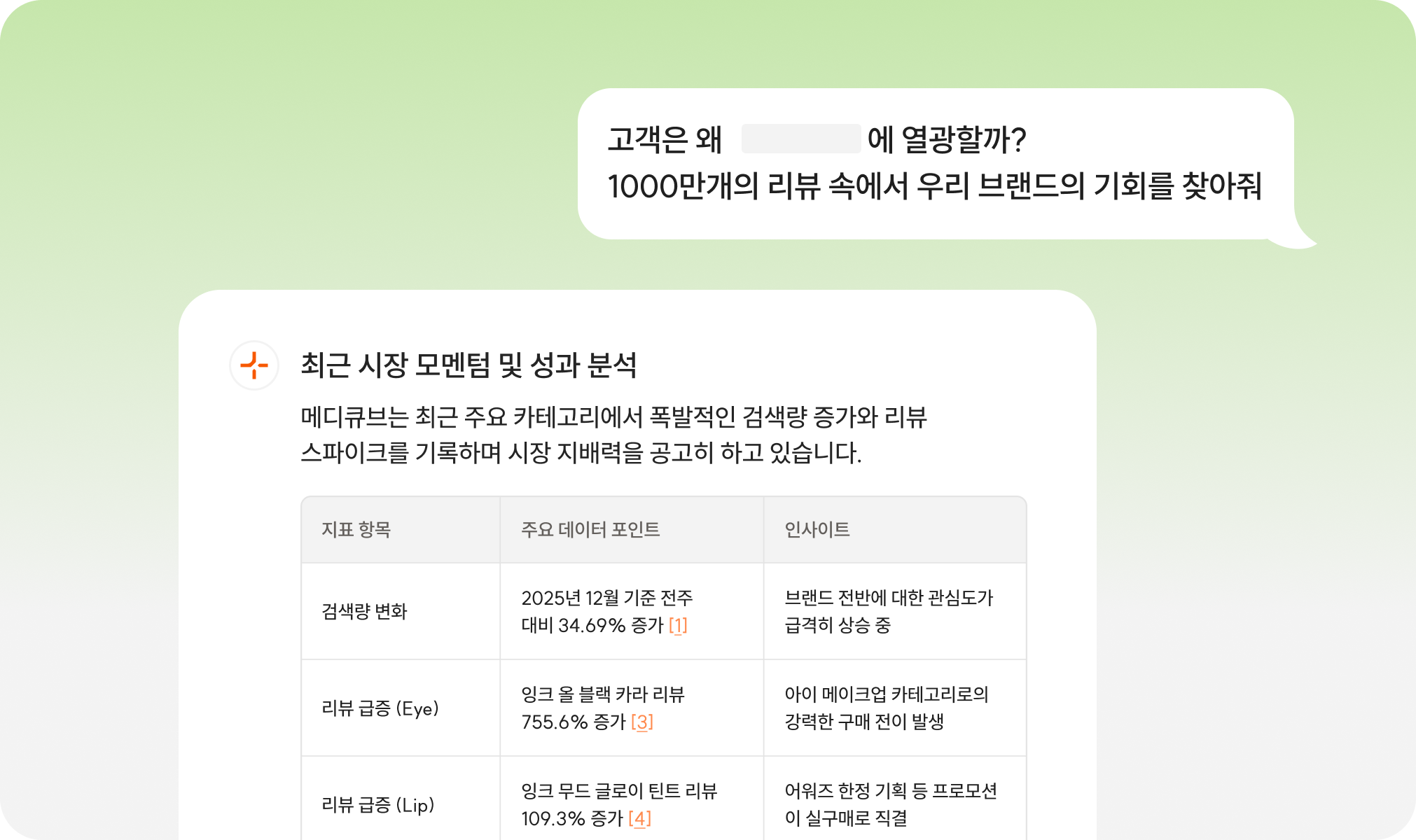
Amazon listing optimization: E-commerce sellers spend a lot of time optimizing product detail pages on platforms such as Amazon. It is not easy to know which keywords will improve search ranking or which descriptions will increase conversion.
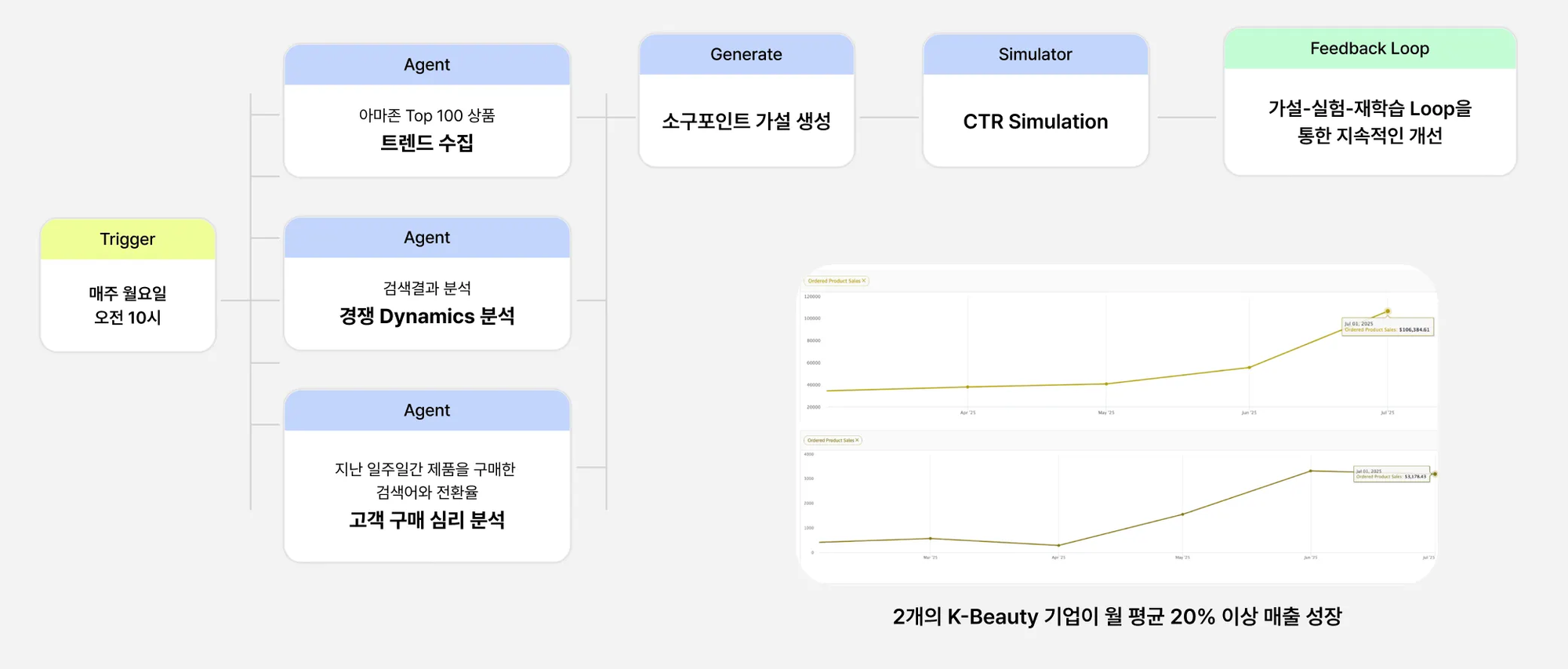
An AI Agent first analyzes the top 100 competing products in the same category. It identifies competitor lists exposed for each product and tracks the search patterns of users who purchased the brand’s product. Then it collects historical performance data from competitor ads.
Based on all of this information, the AI Agent automatically generates optimized product appeal points. And it does not stop there. It simulates CTR based on competitive analysis, and in two K-beauty companies, it achieved an average click-through rate improvement of more than 20%. A feedback loop is built in which analysis runs automatically every week and new improvement ideas are proposed.
Customer support automation: Online shopping malls need to handle dozens of inquiries every day. An AI Agent can identify the type of inquiry, query the inventory system, check order history and exchange policies, and reissue coupons when needed. It does not simply say, “Please contact customer support.” It actually solves the problem.
Inventory and operations monitoring: It monitors daily sales data and inventory levels, analyzes past patterns, and suggests order quantities. It also accounts for seasonality and promotion schedules, offering specific recommendations such as, “Considering next week’s promotion, ordering 500 units is appropriate.”
In most real work environments, AI Agents operate in a structure where the agent proposes and a person gives final approval. Collaboration is more realistic than full automation.
Dalpha is developing solutions that apply these AI Agents to real business operations. By structuring repetitive work in brand and e-commerce settings, such as Amazon listing optimization, inventory management, and marketing automation, Dalpha helps practitioners focus on strategic judgment.
Closing: An AI Agent is a structure for delegating work
An AI Agent is not just a technology trend. It is a structure that allows companies to actually delegate work they once thought would be useful to automate but difficult because it required human judgment.
In business areas that require complex decision-making, AI Agents free up practitioners’ time and provide the information needed for better judgment. Strategy and customer communication remain human responsibilities, but repetitive, time-consuming work can be entrusted to an AI Agent.
If you are curious about how AI Agents could be applied in your company, talk with Dalpha.

Minhyuk Choi