Using ChatGPT at Work: Successful Use Cases and 4 Limitations, From an AI Company
How Can an AI Company Help You Get More Out of ChatGPT?
As AI technology expands into everyday life, companies are showing intense interest in putting ChatGPT to work. In fact, many companies are trying to adopt ChatGPT across a wide range of areas, from task automation to data analysis and customer service. Praised for its remarkable performance and accessibility, ChatGPT keeps pushing past its limits and evolving rapidly with every update.
Because of that, when we hold first meetings with clients, some of them wonder whether they even need help from an AI company when they already have ChatGPT. But there are complex issues to consider when it comes to practically adopting and using AI in an enterprise environment.
In this article, we'll take a close look at ChatGPT's work use cases and limitations,and explore how an AI company can help businesses successfully adopt AI.
How to Use ChatGPT: Start With Its 4 Key Features
ChatGPT currently offers a variety of features and is used as an assistive tool to boost work productivity. It supports creative tasks and helps solve complex problems quickly. Let's briefly look at real use cases for each of its key features.
Key Feature 1 — Text Generation

Text generation is ChatGPT's most basic yet most powerful feature.
Use Case
For example, let's say a social media marketing manager is preparing for a new product launch. If they ask ChatGPT to "write Instagram ad copy for new wireless earbuds targeting the MZ generation," they can get several versions of compelling copy that reflect the target audience's interests and trends. It will even suggest hashtags to post alongside it on social media.
Key Feature 2 — Data Analysis
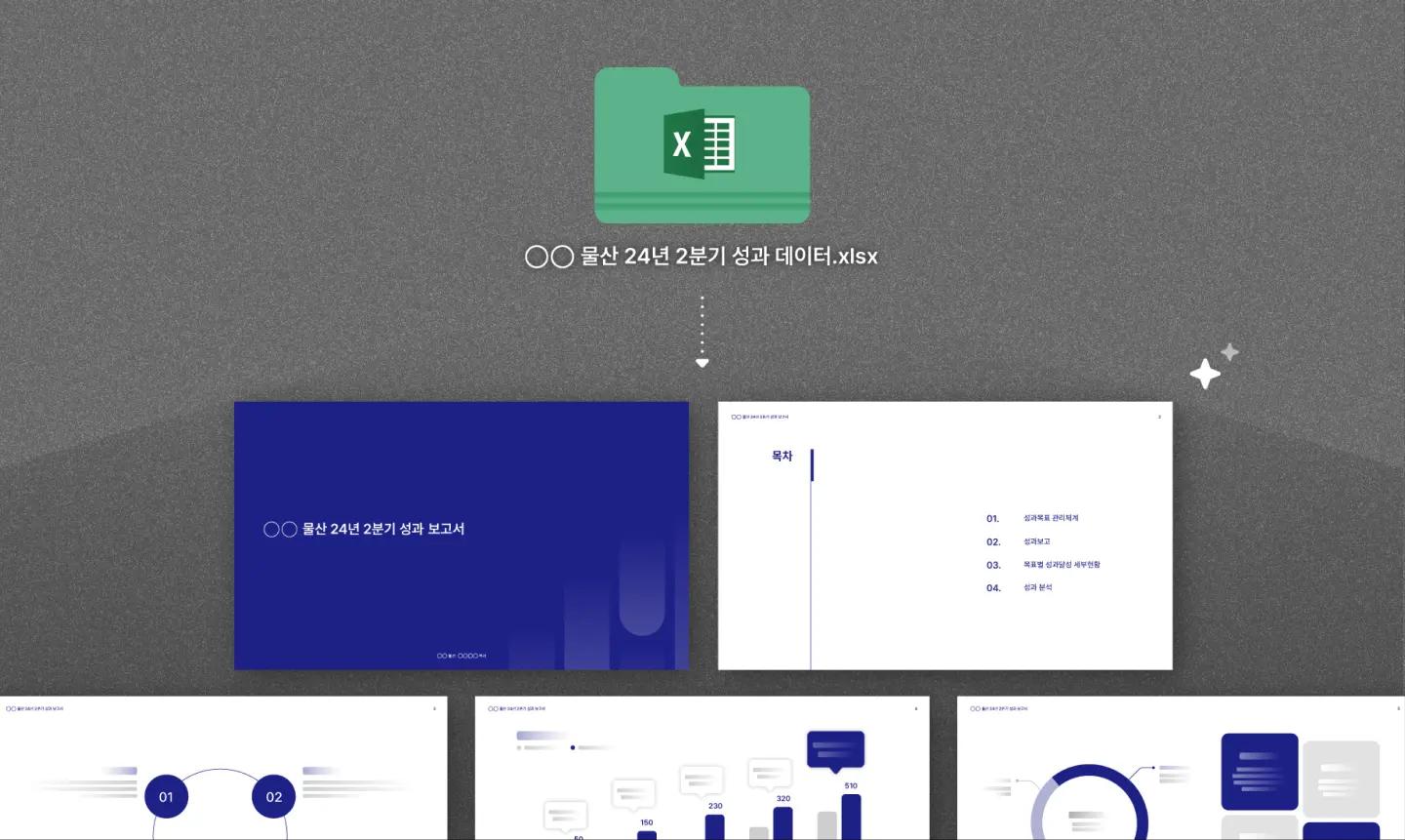
ChatGPT offers analysis features for various types of data, helping users quickly grasp the information in a given file.
Use Case
For instance, if a sales team uploads a csv file containing last quarter's sales data and asks for "an analysis of sales trends by region and the product category with the highest growth rate," ChatGPT quickly processes the data and draws out key insights. The sales team gets last quarter's sales data analysis through a simple chat—without using complex statistical software.
Key Feature 3 — Basic Translation
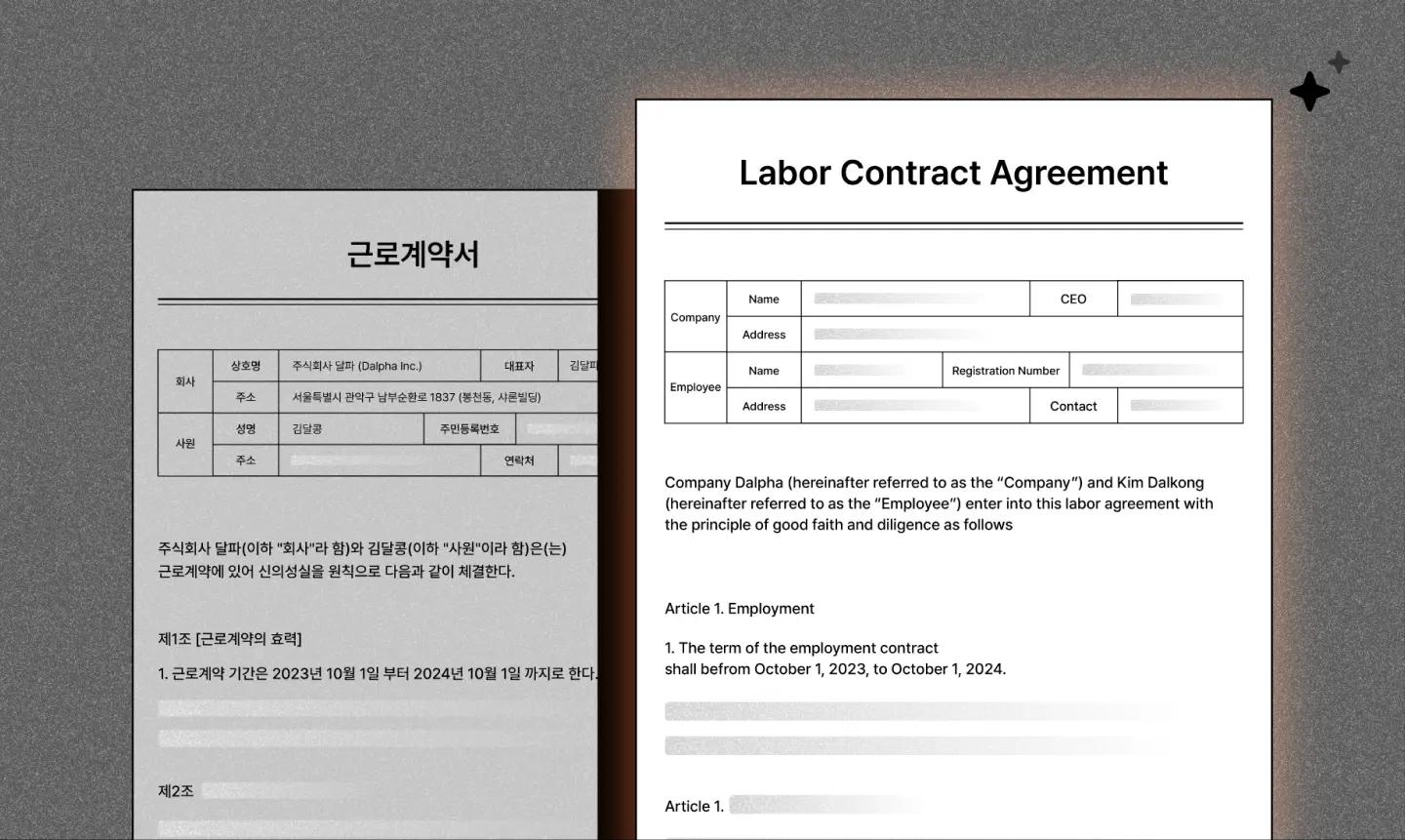
ChatGPT's translation feature is especially useful in global business situations.
Use Case
Let's say an IT company needs to translate a product manual written in Korean into English, Japanese, Chinese, and more. If you ask ChatGPT to translate it along with specific notes to keep in mind, ChatGPT provides a natural translation that reflects your requirements. Instead of hiring a professional translator just for the manual, the company uses ChatGPT to do the translation and then only needs to do a quick review.
Key Feature 4 — Web Search
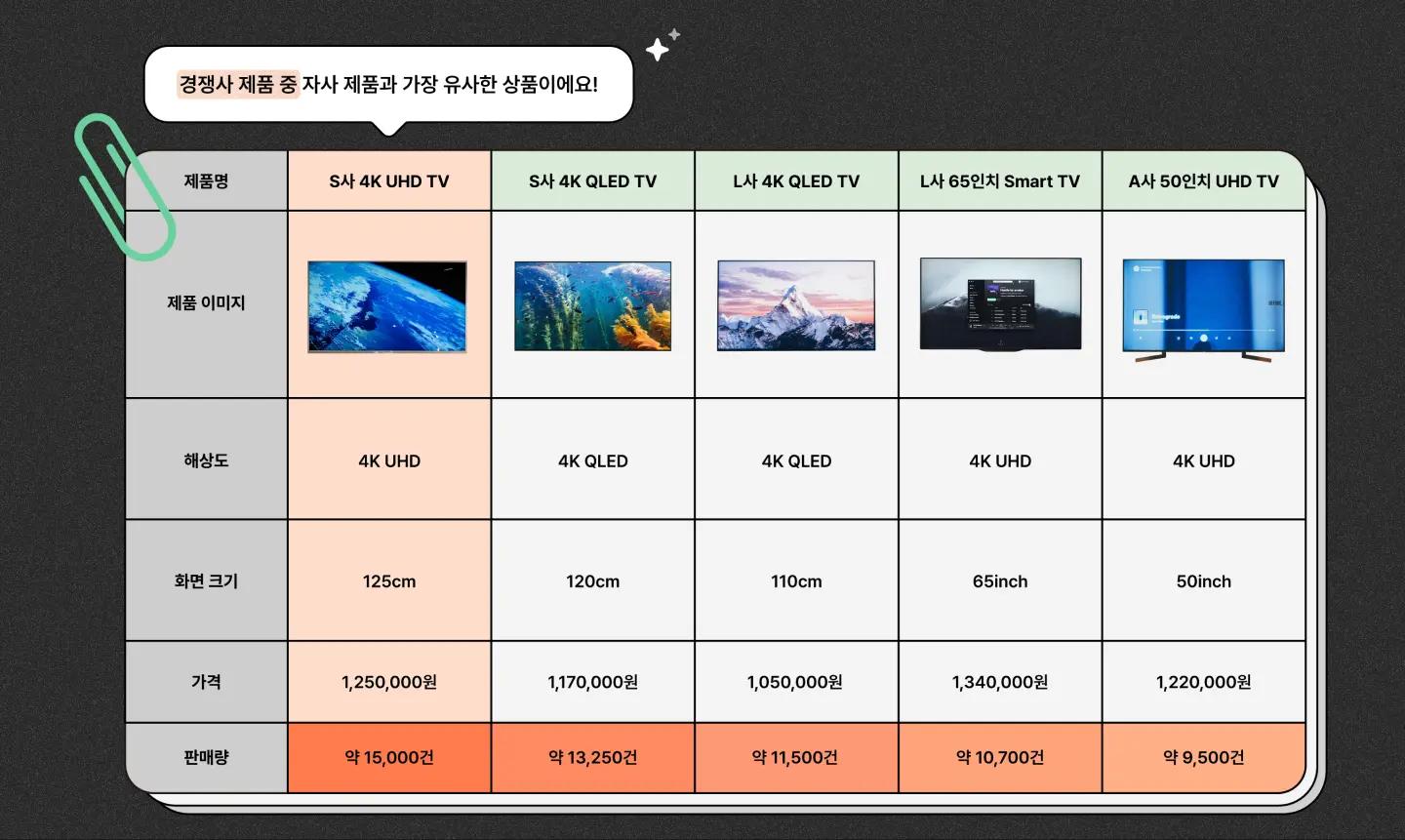
Finally, ChatGPT's web search integration is useful when you want to quickly check various pieces of information published on the internet.
Use Case
For example, if an investment analyst asks for "recent trends in the AI semiconductor market and a comparison of major companies' strategies," ChatGPT searches the latest news and reports and quickly organizes the key trends and strategies. Where previously someone would have had to search through and compile multiple sources one by one, now it's possible to instantly check the information and analyze the market with just a few lines of chat.
4 Limitations to Know When Using ChatGPT at Work
Despite ChatGPT's powerful features described above, there are a few major limitations to relying on ChatGPT alone to solve problems in an enterprise environment.
Limitation 1 — Specialized AI Tasks
There are specialized AI tasks that are hard to solve with ChatGPT alone. Let's look at three examples together.
(1) AI for Specific Specialized Fields

ChatGPT struggles to learn in-depth data about a specific field.
For example, in the medical field, ChatGPT can handle general health consultations, but it has limits when it comes to offering professional diagnoses or treatment plans. This is because most medical expertise isn't publicly available on the internet. For AI that needs to operate based on deep knowledge related to a specific specialized field, learning from special types of data (medical imaging, clinical records, etc.) is required, which calls for a separate AI model.
(2) Multi-Speaker Speech Recognition AI

Want to record the voices of multiple people separately when creating meeting minutes? That's not possible with ChatGPT alone—because it requires a specialized AI model for Speaker Diarization.
When writing the transcript of a meeting attended by five executives,
ChatGPT cannot accurately distinguish the speakers in a conversation like
"Manager Kim: First-quarter sales increased 20% year over year," and
"Director: Is the main cause an influx of new customers?"
In contrast, an AI model specialized in speaker separation learns each attendee's voice patterns and can distinguish speakers with over 95% accuracy to produce well-organized meeting minutes.
(3) Image Processing AI

Tasks like inpainting—editing only specific parts of an image—or OCR (Optical Character Recognition) require more specialized models than ChatGPT. In particular, OCR of special documents like flyers or business cards is hard to do with a high recognition rate without a dedicated model.
For example, when running a project to digitize tens of thousands of prescriptions, ChatGPT has limits in its character recognition rate because it struggles to learn medical document formats. By contrast, an OCR model specialized in medical documents can produce great results based on a high level of character recognition accuracy. On top of that, it can be loaded with a medical terminology dictionary to minimize misrecognition of technical terms.
Key Learning
As shown above, some tasks aimed at solving a company's specific needs can be handled more accurately and efficiently with AI solutions specialized for each field rather than with ChatGPT.
Also, even for the features GPT provides by default, such as text generation and translation, when customization is needed—like reflecting a company's tone and manner or its glossary—there are limits to using ChatGPT alone without professional prompt engineering and additional development.
Limitation 2 — Stability and Consistency
The stability and consistency of answers are another major issue with ChatGPT. Because ChatGPT tries to generate an answer even when it isn't confident, it can provide incorrect information.
The "King Sejong throwing a MacBook Pro" incident below once circulated online as a classic example of ChatGPT hallucination, didn't it?

Also, it can sometimes give different answers to the same question, making it hard to guarantee consistency in tasks like customer service or document creation. If you need stable service operation that reflects your company's tone and manner, industry-specific terminology, and proper handling of sensitive information, relying on ChatGPT alone carries risks.
Limitation 3 — Efficiency and Cost

When using AI at the enterprise level, efficiency and cost are crucial issues. For certain tasks, using ChatGPT can incur unnecessarily high costs and long processing times. When handling a large volume of requests, costs and time grow exponentially, so it's important to use lightweight models.
For example, in a large-scale product image classification task, GPT incurs relatively high processing time and cost due to the nature of multimodal models.
In contrast, using a lightweight model specialized in image classification lets you perform the same task faster and at lower cost. If you add prompt optimization that accounts for token count and a preprocessing step that filters out unnecessary content, you can reduce the number of API calls and get more accurate responses.
Limitation 4 — Data Freshness and Security

When considering using ChatGPT in an enterprise environment, the most important things to review carefully are data freshness and security.
ChatGPT is trained only on data up to a certain point in time, so it's inevitably limited in business situations that require real-time decision-making amid rapidly changing markets. The recently introduced web browsing feature partly makes up for this limitation, but it's hard to fully guarantee the reliability and accuracy of the information it finds.
Even more important is data security. All information entered into ChatGPT is sent to and processed on OpenAI's servers, which can pose serious security risks when handling a company's confidential information or sensitive customer data. Especially in industries that require a high level of data security—such as finance, healthcare, and manufacturing—this constraint becomes a decisive barrier to adopting ChatGPT.
Consider Partnering With a Specialized AI Company
ChatGPT is an excellent AI tool, but because of the technical and operational limitations described above, companies need help from an AI company to properly leverage AI.
An AI company can provide highly reliable responses based on its accumulated technical know-how, develop the right AI model for each business to deliver custom services, and safely protect important information. It also ensures stable operation by continuously monitoring and improving service quality.
Ultimately, to connect AI technology to a company's real business value, collaboration with an AI company that has the expertise and experience seems essential.
Wondering how to choose the right AI partner for your company?
Check out our detailed criteria and checklist for selecting an AI development partner!

Sujung Kim