AI Playbook Ch. 1 — Marketing That Wins Customers' Hearts
If you're busy, at least read this!
- With the rise of generative AI, AI's areas of use are expanding in many directions, and the marketing industry is one where it's being actively used.
- To create differentiated image content, you can use image-generation AI as a supporting tool for your content.
- Using tools like ChatGPT, you can automatically generate the copywriting that matters in marketing. This is a big help to marketers who would otherwise have to manually craft creative, hooking copy every time.
- Personalized marketing — message notifications and coupon sends, product recommendations, dynamic web pages, and more — automatically analyzes customer data so you can use it efficiently.
- AI can't replace a marketer's job. If you keep thinking about how to use AI effectively, I have no doubt it will actually be a big help to marketers' work.
They say there's no field AI isn't used in — but marketing too?
As the era of great AI transformation has arrived, everyone has started developing and using AI. In the early market, only developers approached AI technically and advanced it, but recently AI use stands out even among non-developers. The fact that I — a non-developer by background — am now building knowledge of AI at an AI startup seems to show just that. AI is gradually being used in close connection with our daily lives. From cutting-edge tech to consumer goods, finance, government and public services, and manufacturing, there's hardly a field where AI isn't used. In the past, AI was expected to be used merely to cut corporate costs, but with the rise of generative AI, AI is now also being actively used in ways that can grow a company's revenue. So, in which industries and how is AI being actively used?
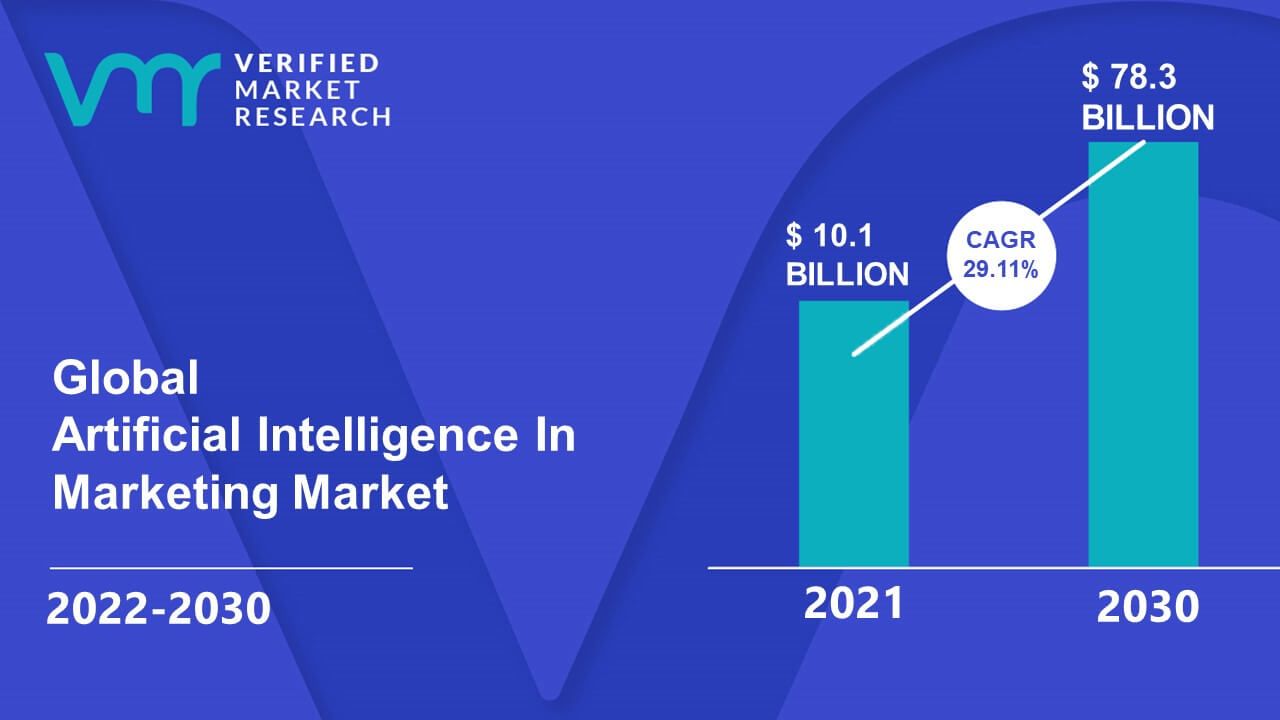
The AI use case I'd like to talk about today is a story from the 'marketing industry.' Because marketing is an industry in direct contact with potential customers, generative AI is being used even more actively. The content marketers create with AI leads to customer acquisition, which positively affects revenue growth. On top of that, customer-tailored marketing strategies — run by automatically analyzing customer data — are also a big help to purchase conversion. In fact, according to Verified Market Research, the size of the AI market used in the marketing industry worldwide is predicted to reach about $78.3 billion by 2030, so the use of AI in the marketing industry can be called a very positive outlook.
So, based on the insights I've gained from doing market research at Dalpha and meeting many marketers, let me share how AI can actually be used in the marketing industry.
AI use for marketers
Image-generation AI
In today's era, where near-identical products pour out every day, having a point of differentiation in your ad content is very important. Even looking at the same product, if the ad content sparks interest, the probability that consumers click rises dramatically, right? When I see novel ad content, I, too, can't help getting curious about the company and product and always end up clicking in. Such differentiated content also has a very high conversion rate that leads to actual purchases by potential customers. Among such content, images are extremely important because they can clearly grab attention. One impactful photo can produce a surer effect than 10 lines of text about a product. So, marketers spend a lot of time creating differentiated images, but the realm of creating something from nothing isn't as easy as you'd think.
Image-generation AI can easily ease this burden for marketers. In fact, I'm in charge of marketing at my company too, and there's a limit to creating content while referencing sites like Pinterest every single day. So let me share the tool I actually looked into to generate content.
It's Stability AI's Stable Diffusion — this is the supporting tool. It's already quite famous and many people use it, but there don't seem to be many in Korea who use it for marketing yet. When you enter the shape or keywords of the image you want via text prompting, the AI automatically generates a related image. For example, if I want to advertise Coca-Cola with a vintage, retro feel, I could enter the text prompt '1950s Advertisement for Coca-Cola,' right? Then the following image is generated.
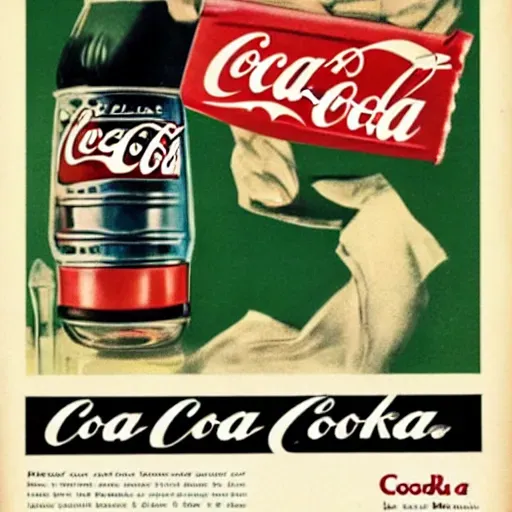
What do you think? Isn't the quality really high? Generating ad images this way, you could put it to good use as a supporting tool to reference when producing content.
Copywriting-generation AI
Another type of content just as important as images in marketing is copywriting. Generally, the text written for marketing purposes to raise a product's or brand's awareness is called copywriting, and you have to generate copy that's differentiated and fits the customer segment the company wants to target. But this, like images, requires marketers to all manually create creative, hooking content. So, you can use AI tools to generate candidate copy.
Various copywriting-generation AI tools exist, but you could use the one everyone's familiar with, ChatGPT, right? I directly asked ChatGPT for copy to market Dalpha's short-form editing AI solution.
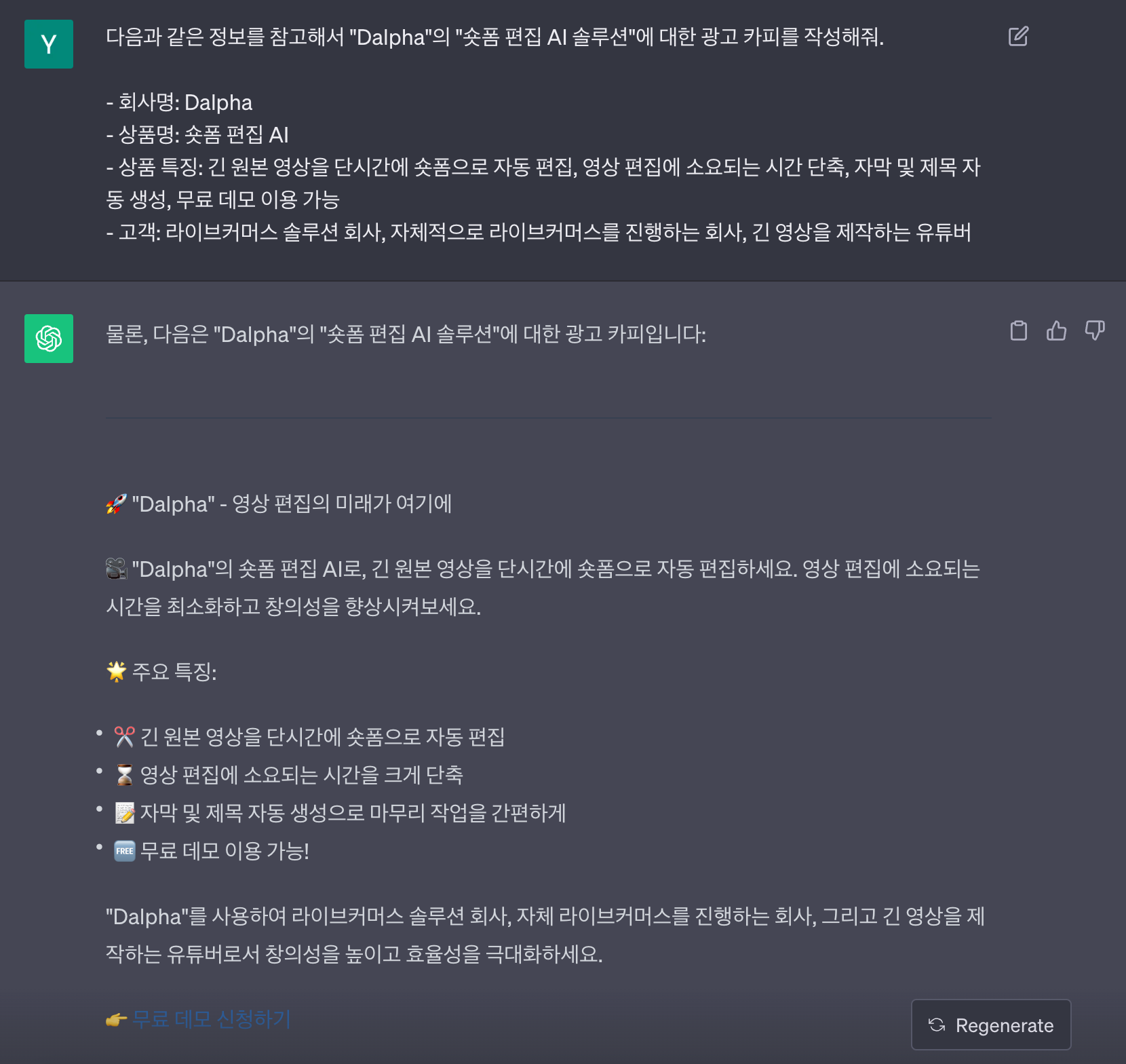
I tried it and was amazed at the quality. I asked ChatGPT to generate copy based on detailed information about the company name, product name, product features, and customers, and it looks usable in practice. Like this, if you enter detailed information about the marketing you want to run via text prompting, you can automatically write customized ad copy.
Dalpha copywriting-generation AI
Personalized marketing
Finally, various AI can be used for personalized marketing too. In the past, mass marketing was dominant, exposing many products to many customers to sell. But as competition intensified and consumers' needs became more specific, companies began segmenting potential customers. By running personalized marketing tailored to these segmented customer groups, they could prevent customer churn and raise purchase conversion. Such personalized marketing requires analyzing and using data such as customer behavior and targets, and analyzing and predicting all of it one by one takes a lot of time and cost. So cases of using AI for personalized marketing are increasing. Let me explain specifically how you can do personalized marketing.
Message notifications and coupon sends
Based on accumulated customer data, you can automatically write messages tailored to each customer. For example, based on data of a customer who browsed for jeans at a shopping mall, you can send a tailored message like 'Looking for jeans? Check out Dalpha's new jeans.' Also, using time-series data, you can send messages at the times when a customer's engagement or access rate is highest. Beyond messages, by providing coupons at the most suitable ratio for each customer, you can raise users' purchase frequency or prevent churn.
Product recommendations
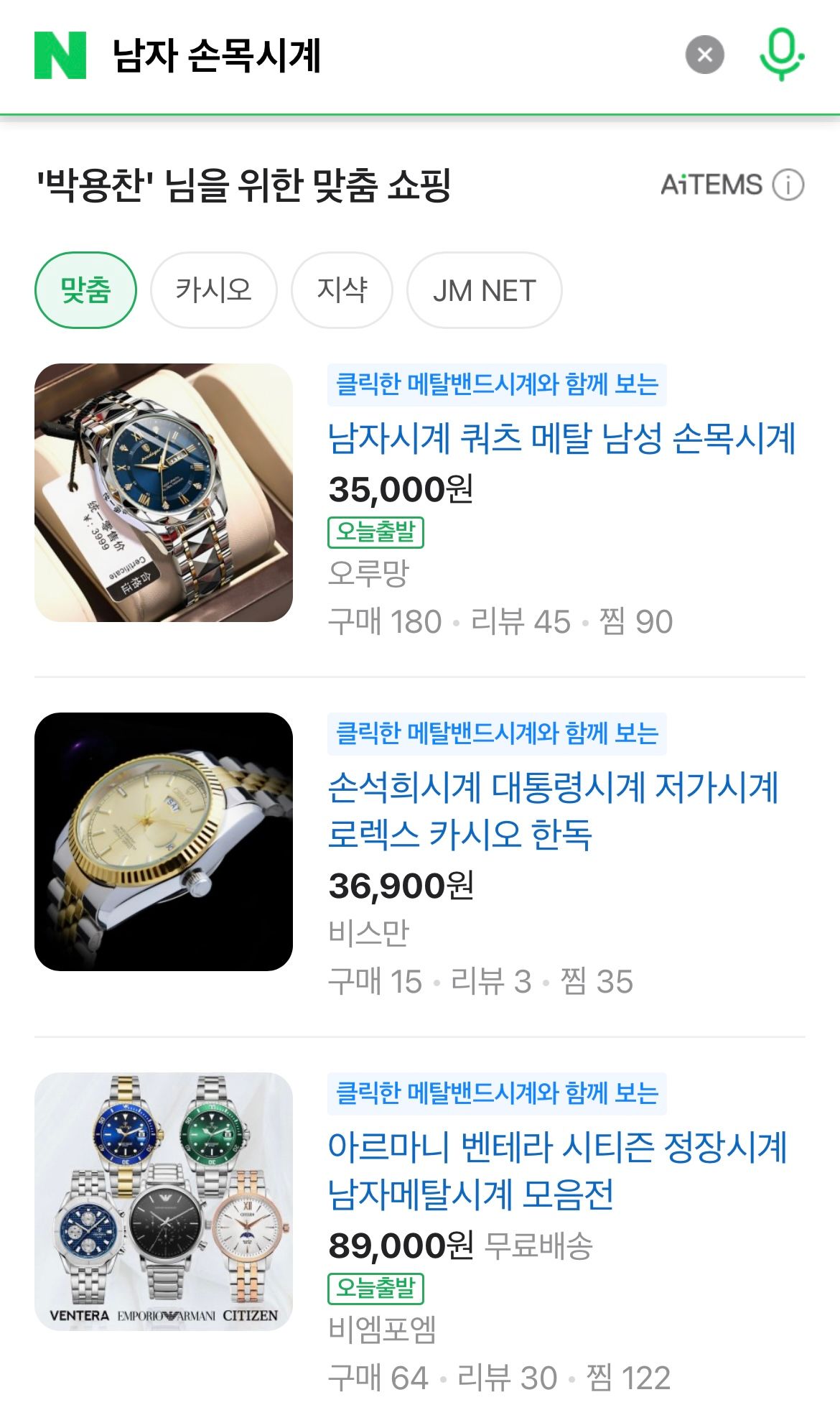
Every reader of this article has probably seen a tab like 'Recommended for OOO' at least once while shopping. Through personalized product recommendations, you can recommend products similar to ones a customer recently viewed or purchased. This can improve a customer's repurchase rate and create a lock-in effect. In fact, through 'AiTEMS,' when you enter a product keyword in Naver search, Naver analyzes the customer's behavior data and exposes a tailored product-recommendation block. As in the image attached below, when you enter the search term 'men's wristwatch,' it exposes recommended products as a tailored shopping block based on my product-browsing data.
Dynamic websites
A dynamic web page literally means exposing a different web page to each individual. It'll probably be quicker to understand with a representative example — Netflix, the OTT service many of you love, uses dynamic web pages usefully.
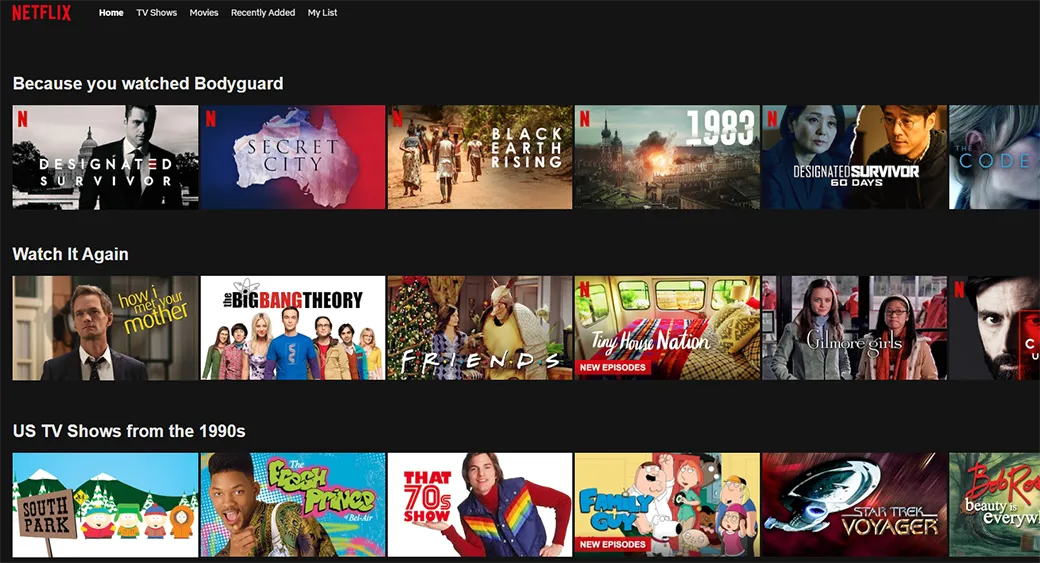
Netflix exposes a customized screen based on the customer's viewing data. In fact, they say about 80% of Netflix users' watched content is AI-recommendation-based. I, too, mostly watch content through that web page when I'm recommended content similar to my favorite genres.
So, what happens going forward?
In my personal opinion, the scope of AI use in the marketing industry going forward is expected to be limitless. Beyond the content generation via generative AI I mentioned earlier, it can be used in truly various fields, even advancing the customer journey based on customer data. Some marketers fall into the worry that AI might replace their jobs. But instead of such worry, if you keep thinking about how to make good use of AI in your own work, you can work even more efficiently, right? Marketing CRM tools based on customer data will be a big help in cutting time and cost, and in the case of generative AI, it can be a cornerstone for marketers' creative content generation.
That's it for today's article on how to use AI in the marketing industry. I'll keep sharing content on how to use AI in specific industries. Additionally, we at Dalpha also have various AI solutions that can be used in the marketing industry, so I'd be grateful if you browse the AI Store or reach out directly. I'll do my best to share even better insights in the next article. Thank you.

Yongchan Park