AI Guide for Manufacturing & Distribution Companies: 3 Work-Automation Solutions, 5 Real Cases, and Data-Prep Tips
Adopting AI at a manufacturing or distribution company—where should you even begin?
Many companies struggle with repetitive manual work and complex data management.
Even when it seems AI could solve it, it feels daunting.
That's because it's hard to get a sense of how far AI can go, which task to tackle first, and how to get started.
In this article, we'll show you practical ways for manufacturing and distribution companies to use AI.
We'll introduce three problems that need improvement and the AI solutions that can solve them, then verify the results through real cases.
At the end, we'll even share preparation tips for putting AI to use—so read all the way through.
1. Problems That Need Improvement at Manufacturing & Distribution Companies
Here are the most common problems that manufacturing and distribution companies can face.
We selected them based on issues that make you think, 'Does a person really have to do this?' or 'Isn't there a more efficient way?'
Inefficiency caused by repetitive manual work
There's a lot of repetitive work—entering slips, processing material purchase orders, writing reports, and more. This kind of repetitive manual work lowers efficiency and eats up time and money. For example, entering utility-bill slips by hand or checking each different purchase order one by one may be unavoidable, but doing it inefficiently is frustrating.
Difficulty using data due to paper documents
Digital transformation is underway across the industry, but compared to other sectors, many companies still use paper for slips, approval requests, and the like. As a result, they often fail to make good use of the data they hold internally and end up working inefficiently.
Delays in handling inquiries and accessing information
Employee inquiries about benefits and internal policies pour in, and handling them makes it hard for HR or support teams to focus on what really matters. Employees, too, are frustrated waiting for answers, and in the end overall organizational efficiency drops.
Those are three common problems that manufacturing and distribution companies can face.
AI can't solve everything, but the three problems above can absolutely be solved with AI solutions.
2. Top 3 Work-Automation AI Solutions Used by Manufacturing & Distribution Companies
Let's take a concrete look at the work-automation AI solutions that can resolve the three problems manufacturing and distribution companies need to improve.
Document-data matching and automation

AI compares documents and data to find matching products, confirm whether they match, and then use that product across various procedures such as automatic ordering and ERP registration. For example, one manufacturer analyzed slips by department to reduce errors and simplify its cost process.
Turning paper documents into a database
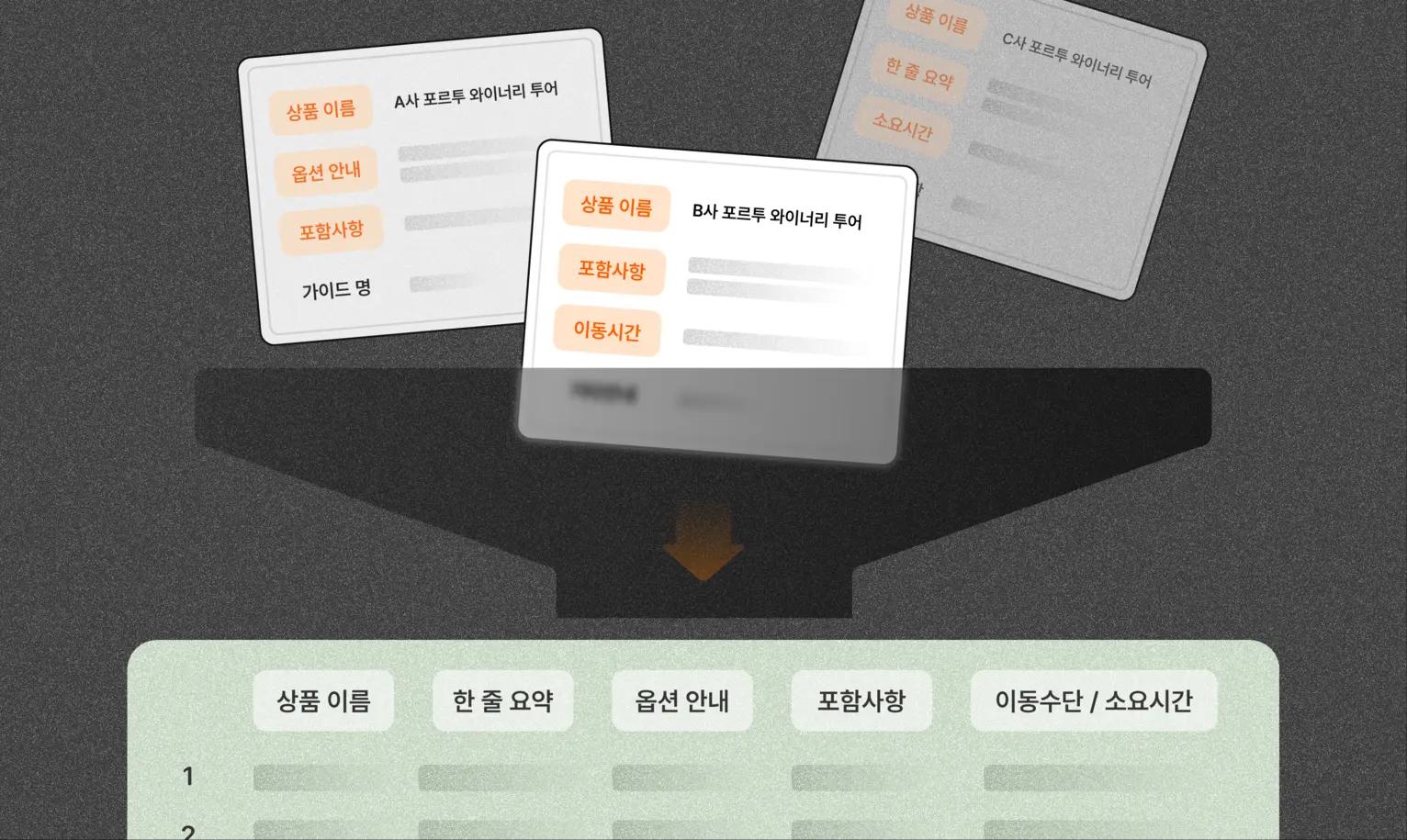
Work that you've long wanted to digitize but found difficult because of all the paper documents can now be done with AI. For example, AI can pull information from bills, purchase orders, and product images and organize it neatly into digital data. One distribution company took in front and back images of products to predict categories and refine field values, completing a consistent database with no manual work.
Internal AI chatbot
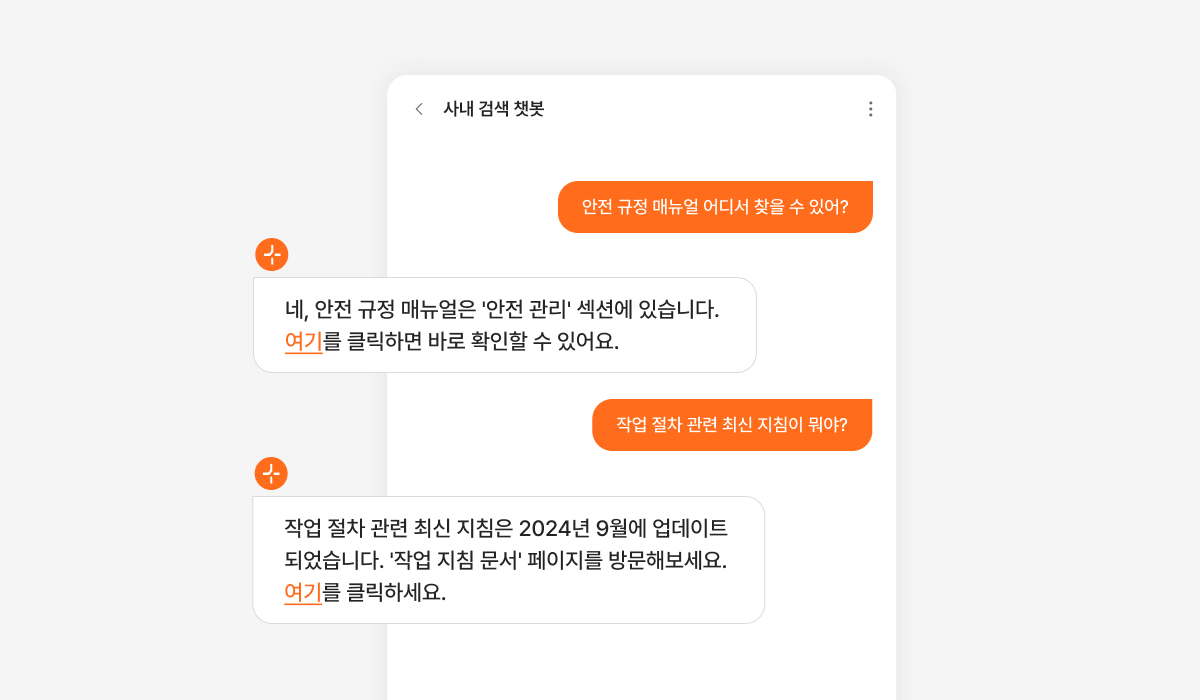
If you add FAQ and automated-answer features to your internal messenger or systems, an internal AI chatbot can answer on your behalf. The support team's workload decreases, and employees can get the information they need instantly. For example, one company automated inquiries about its benefits programs and internal policies with an AI chatbot, boosting the HR team's focus and shortening response times.
For a concrete guide on building an internal AI chatbot, please see the article below.

3. Five Cases of AI Use at Manufacturing & Distribution Companies
Next, we introduce five cases where manufacturing and distribution companies actually adopted work-automation AI solutions.
Case 1: An FAQ chatbot for benefits and various internal programs
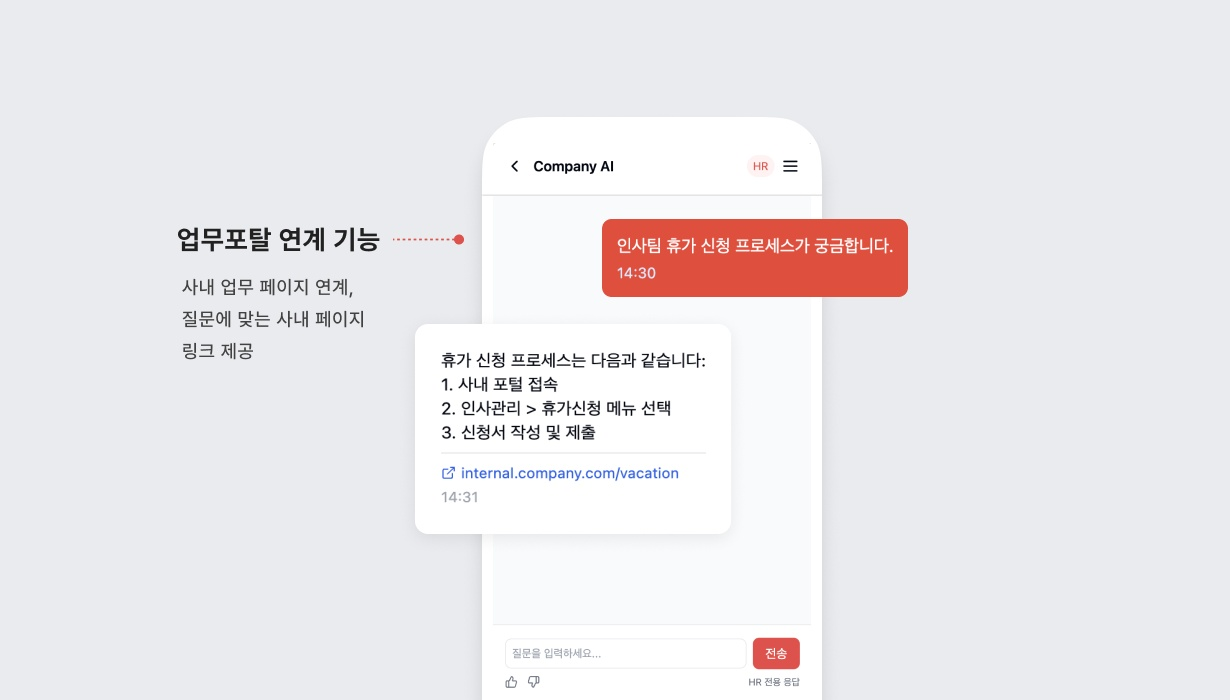
The problem: The support, HR, and labor-relations teams received many inquiries about various benefits programs and internal policies, and handling them disrupted their focus and took up time.
The solution: They added an AI chatbot with FAQ and automated-answer features to the internal messenger and other channels.
The result: Employees could quickly get the information they needed, easing the support team's burden and improving the HR team's efficiency and focus.
Case 2: Automating slip entry
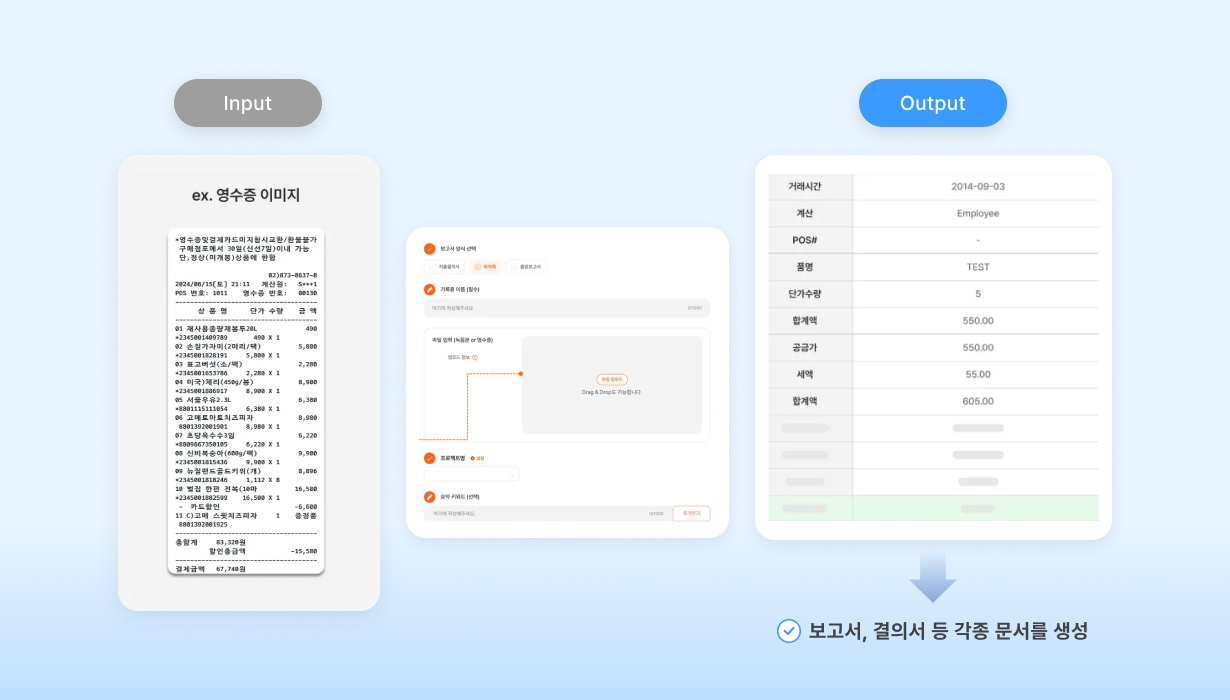
The problem: Repetitive tasks like collecting utility payments, entering fixed slips, and processing approval requests consumed a lot of the support team's time and effort.
The solution: They adopted an AI solution that uses OCR to automatically enter slips when various bills are scanned, or reads approval-request content to generate cost-execution slips and expense-approval requests.
The result: Manual work time was greatly reduced and the cost-execution process was streamlined, improving work efficiency.
You can find more OCR cases in the article below.
Case 3: Slip matching and error checking
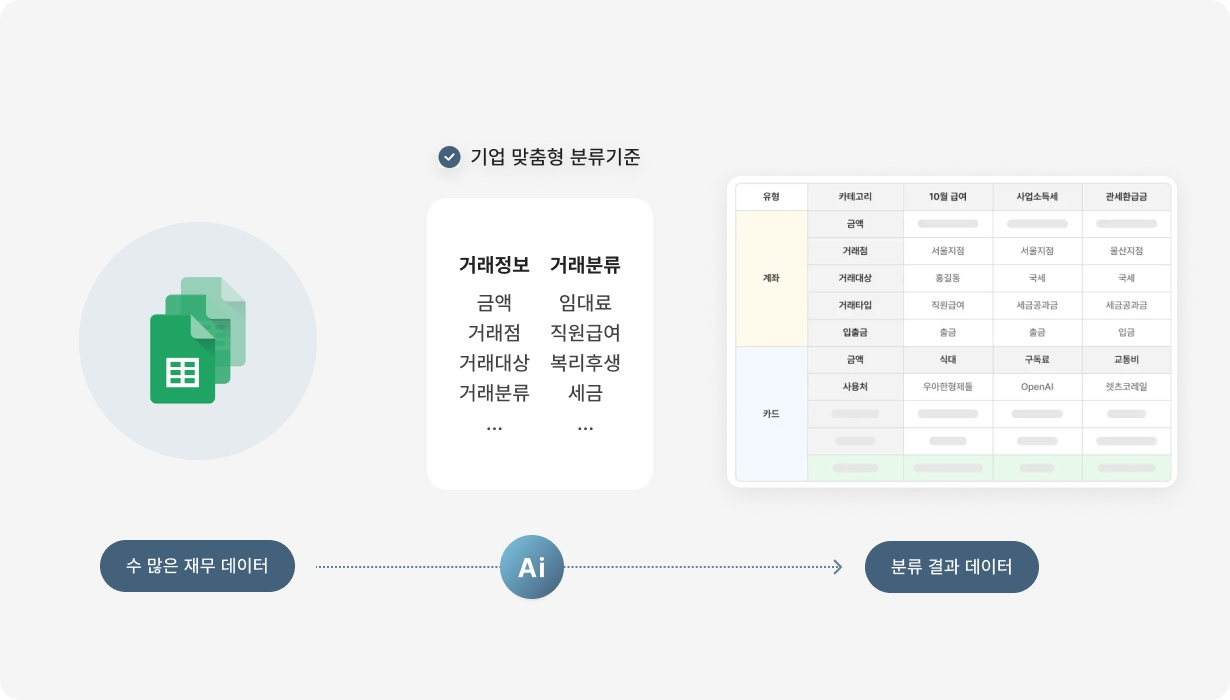
The problem: Manually comparing approval requests, slips, and tax invoices one by one led to frequent errors.
The solution: An AI-based matching solution automatically compared data across documents and caught errors and mistakes automatically.
The result: The accuracy of cost execution improved, and errors from manual work dropped significantly.
Case 4: Automatically generating a product database
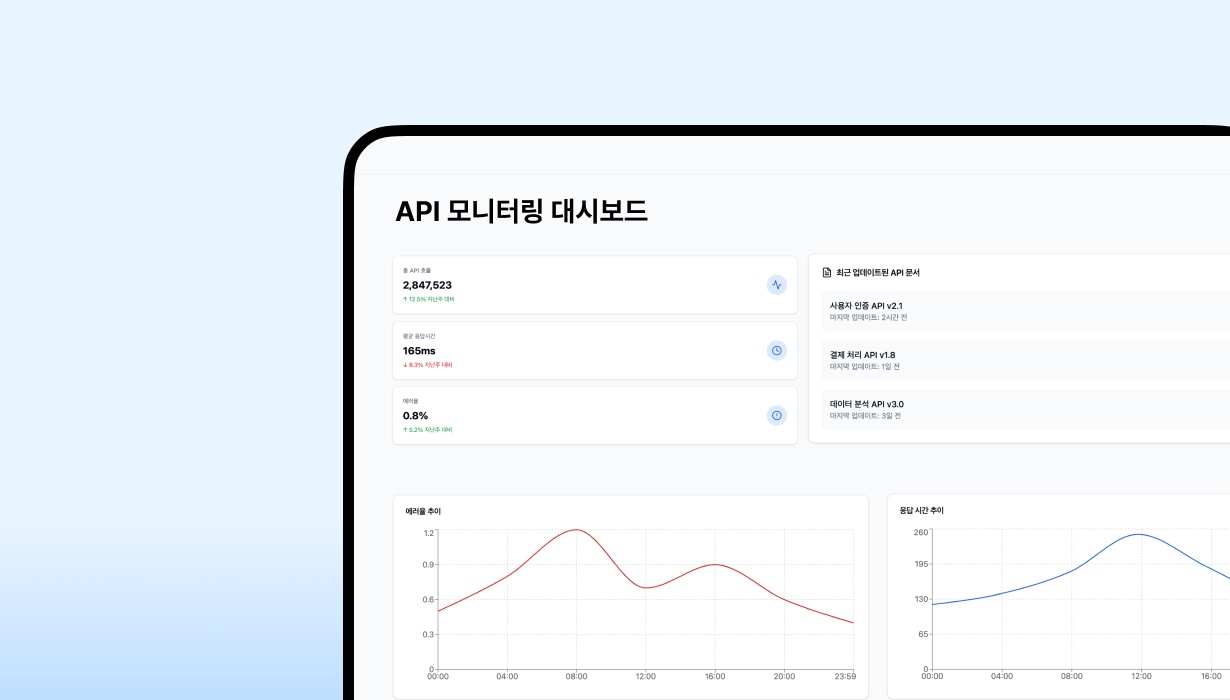
The problem: They struggled to build a standardized, well-structured product database from many different types of products.
The solution: They adopted an AI solution that takes in front and back images of products, extracts text information via OCR, and determines field values via an LLM.
The result: They organized categories and data without manual work and completed the database.
Case 5: Automating information extraction from purchase orders
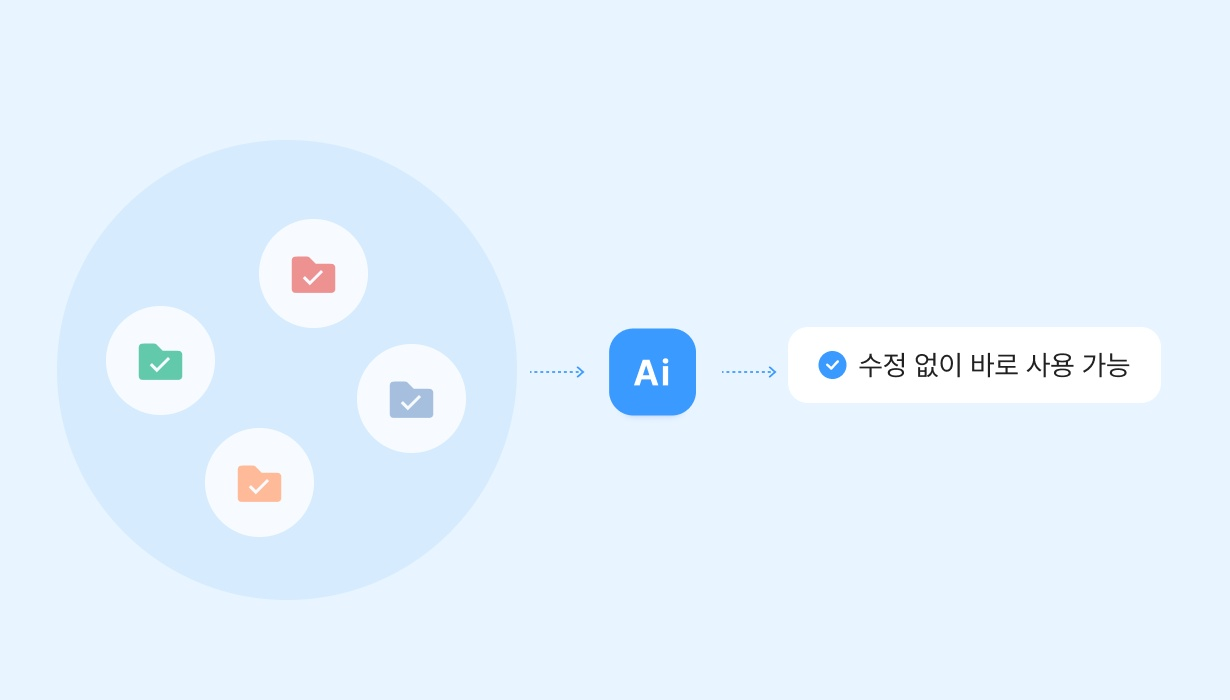
The problem: They struggled to extract the necessary field values from material purchase orders that came in many forms—Word files, images, email screenshots, KakaoTalk screenshots, and more.
The solution: They developed an AI solution that uses OCR to properly extract predefined field values from various types of material purchase orders.
The result: They were able to greatly reduce the manual work involved and boost efficiency. It delivered high performance, with an OCR recognition rate of over 97% and a refinement accuracy of about 99% for the required information values.
4. Three Tips for Using AI at Manufacturing & Distribution Companies
So far we've looked at the problems and solutions AI can address at manufacturing and distribution companies,
but without proper preparation, actually adopting and using AI is difficult.
Every manufacturing and distribution company that has successfully used AI followed these methods.
Rather than just settling for giving it a try once, here are tips for truly using AI effectively.
Prepare PDFs by scanning paper documents: To feed AI data it can learn from well
AI can only perform well when clean data is fed into it. No matter how powerful the AI, poor input data means poor results.
Converting paper documents to PDFs puts them in a form that's good for AI to learn from.
Build an easy process for turning things into PDFs. For example, setting up a folder and process that automatically saves incoming faxes as PDFs lets data accumulate and saves time.
Structure your DB information: So AI can read the data well
For AI to make good use of data, the DB has to be the standard. A neatly organized DB is essential.
Organize the values to enter into the DB in advance and keep them consistent. For example, you shouldn't call the same item by different names like "screw-nut-nut." You have to unify them as a single 'nut' so the AI recognizes it properly.
Persuade frontline staff and build consensus: To use it effectively
Manufacturing and distribution companies have long histories, so many frontline staff are used to existing methods. If they resist or don't use it, you may only spend time and money without seeing results.
Discuss it with them, clearly showing how AI makes their work easier and what benefits it brings. It's important to reflect frontline staff's opinions and build AI that fits their work.
Wrapping up
So far we've looked at how manufacturing and distribution companies can use AI.
Want to use AI effectively at your manufacturing or distribution company? Try consulting with an expert.
Through 1:1 consulting, Dalpha
plans and builds AI agents optimized for each company.
A free consultation—if you're curious, reach out anytime!
Dalpha Blog