How Dalpha Landed Its First 5 Clients
Our first B2B sales push… feeling lost
As a B2B business, landing our first clientswas something we agonized over a great deal.
It was our first time founding a company and our first time doing sales, so we had no sense of where or how to even begin.
To get some guidance, we dug relentlessly into how founders who'd gone before us had done it, and the senior founders all gave us the same piece of advice—it went like this.
"For your first 1 or 2, even if it feels shameless, lean on the people around you!"
It resonated with us, but at the same time we felt that relying only on the help of people around us would make it hard to scale later on.
So how exactly did Dalpha gather its first 5 clients?
Catch both rabbits at once
The conclusion we reached was, naturally, to get client introductions from people around us while also actively pounding the pavement to land brand-new clients ourselves.
Client introductions
In our early days, Dalpha connected with various founders, aspiring founders, and VCs through SNAAC (Seoul National University's startup AC club).
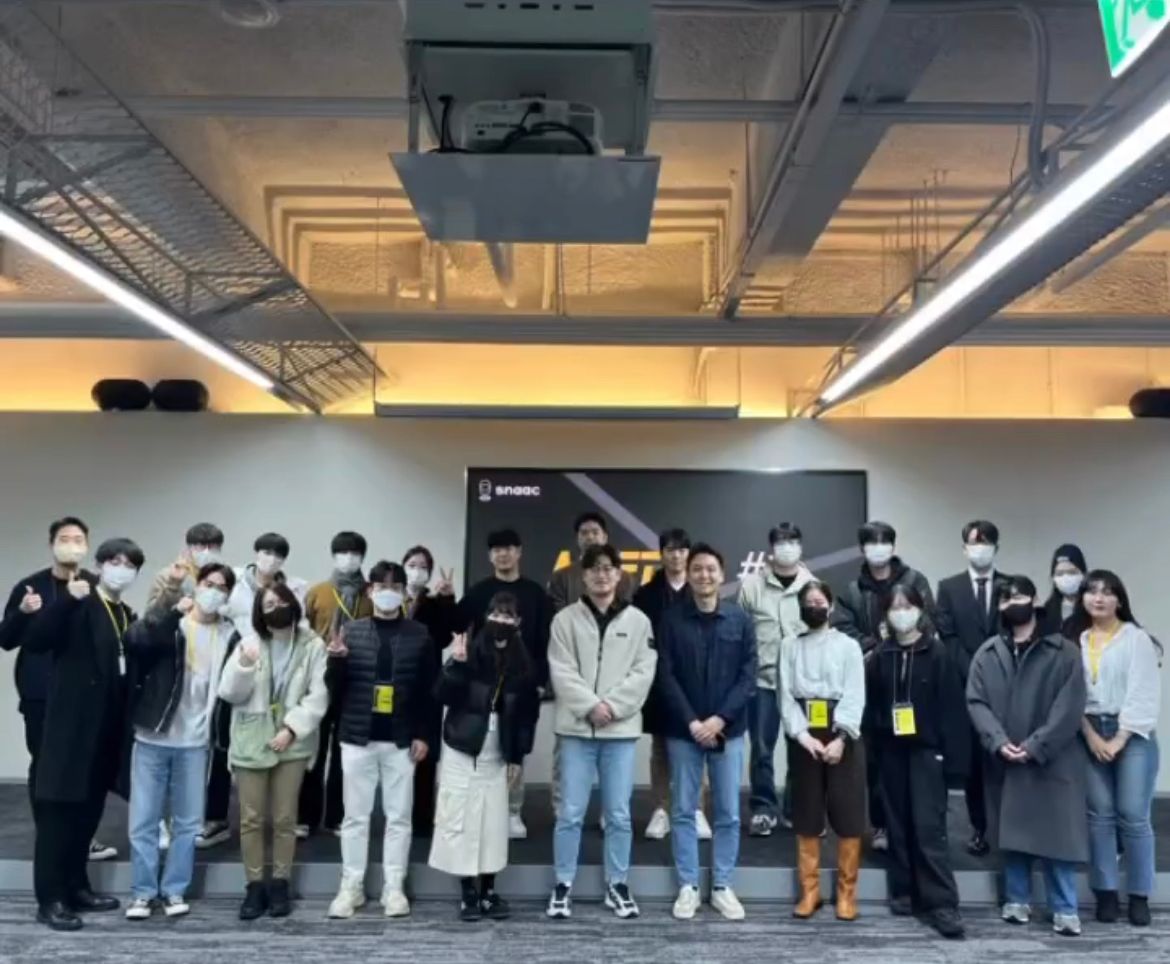
Gratefully, someone introduced us to a fashion commerce company on our behalf, and that became our very first POC company.
As is still true today, back then too, rather than building AI in advance, we first listened to the client's needs and selected AI tasks worth pursuing, considering the scale of the benefit AI could deliver and how realistic it was to achieve.
After that, we coded through the night and did our best to show great results as we ran our first POCfirst POC.
There were plenty of twists and turns, but we got to run POCs on various AI tasks, and we're actually still collaborating with several clients today on the very AI tasks we worked on back then.
Landing them ourselves (cold emails)
At the same time, we stayed up every night preparing and sent cold emails to over 300 companies a day.
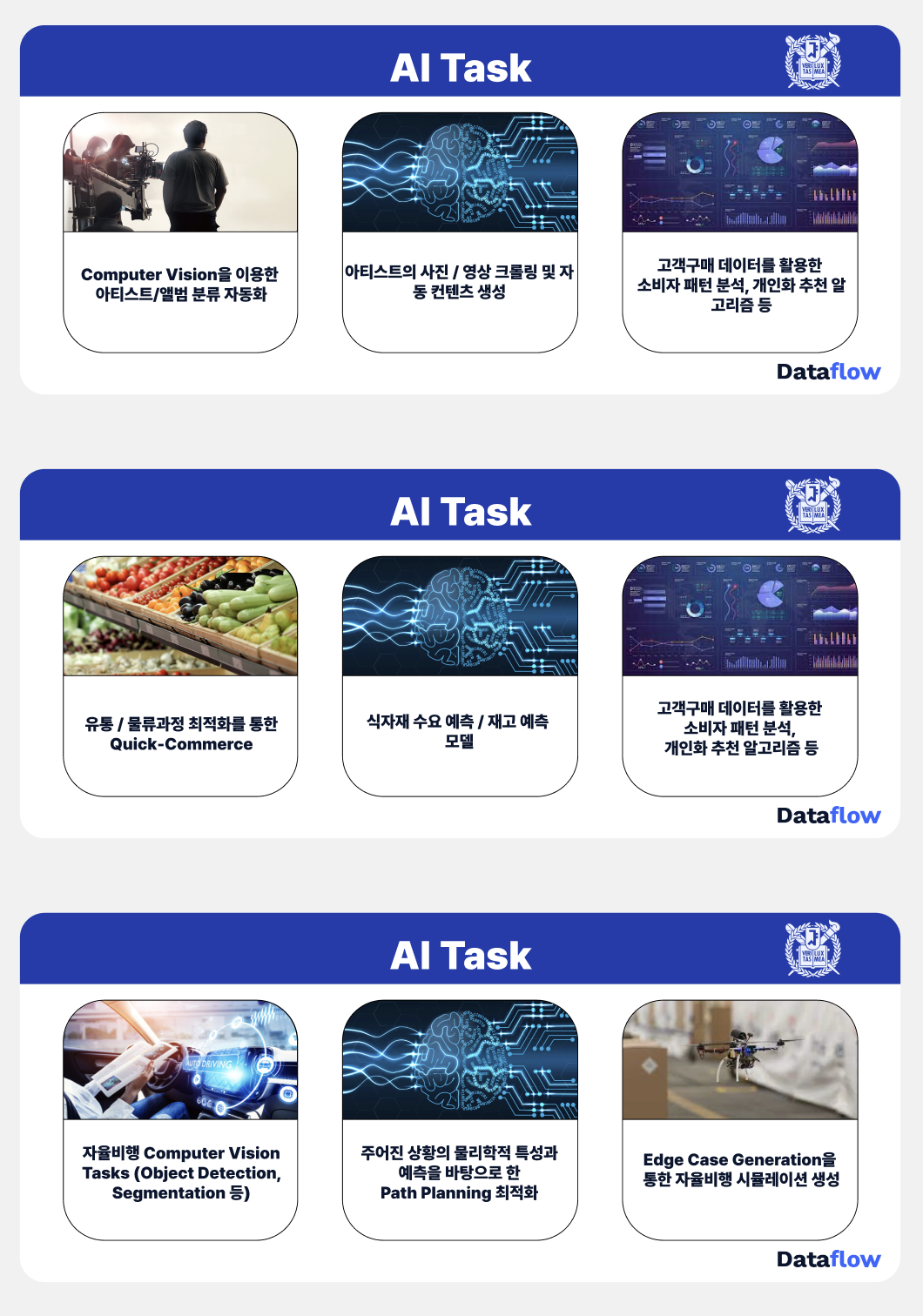
We found companies by hand, came up with 3 AI ideas each company might need, customized each one, and sent the emails.
We repeated the process over and over: manually building the custom portion for each company in Figma → writing HTML code → inserting the HTML into the email and sending it. (We've since automated this in a far more efficient way, of course, and we'll cover that in more detail in a future installment.)
As a result, we got contacted by 20 fairly sizable companies who wanted to meet, so we were able to move forward, and we filled 5 client slots in a short period of time.
Build solid references from those first 5 opportunities
After securing our first 5 clients, references piled up and sales got easiereasier, and we were able to grow our client base even faster . (We'll also publish a follow-up on the process of landing even more clients.)
Looking back now, I think that in the early days of a startup, the most important thing is to dive in—not worrying about how it looks, actively asking for help even if it seems a bit shameless—and just go for it.
On the product development side, rather than insisting on our own product, building the product while listening to our clients' voices seems to have had a big impact on our contract close rate.
So far we've talked about the process of how we gathered our first 5 clients,
Next time, we'll be back with a post introducing how we automated the parts we did manually (using Stibee, SendGrid, and App Script).
Good luck out there with your B2B sales, everyone!

유선빈