Instead of Setting Prices by Gut Feeling, You Can Now Predict How Customers Will Respond.
Key Takeaways
Price response prediction means forecasting, before you ever change a price, how many customers will stay and how many will leave, and how much each segment is actually willing to pay.
Every company sets prices using some mix of gut feeling, regression on past data, or prospect surveys, but all three break down in front of a price point no one has ever tried.
Dalpha's Social World Model simulates how customers will respond to a price change inside the model itself, before you ever change the real price.
This is the first question that comes up wherever price is directly tied to revenue: airline and hotel fare adjustments, brand product pricing, and in-game item pricing.
Price has long been set by gut feeling. Companies weigh plenty of variables, such as how consumer sentiment compares to last year, what competitors are charging, and how much costs have risen, but when it comes down to actually setting the number, the decision usually rests on the person in charge's instinct.
The problem is that nobody can know exactly how customers will respond to a new price until that price is actually put into the market, which is exactly why outcomes so often diverge from what was expected.
In our last post introducing the Social World Model, one of the example questions we raised was: "Where does demand move when you change a price?" In this post, we walk through how Dalpha approaches checking a price against customer response before deciding it by gut feeling.
What Is Price Response Prediction?
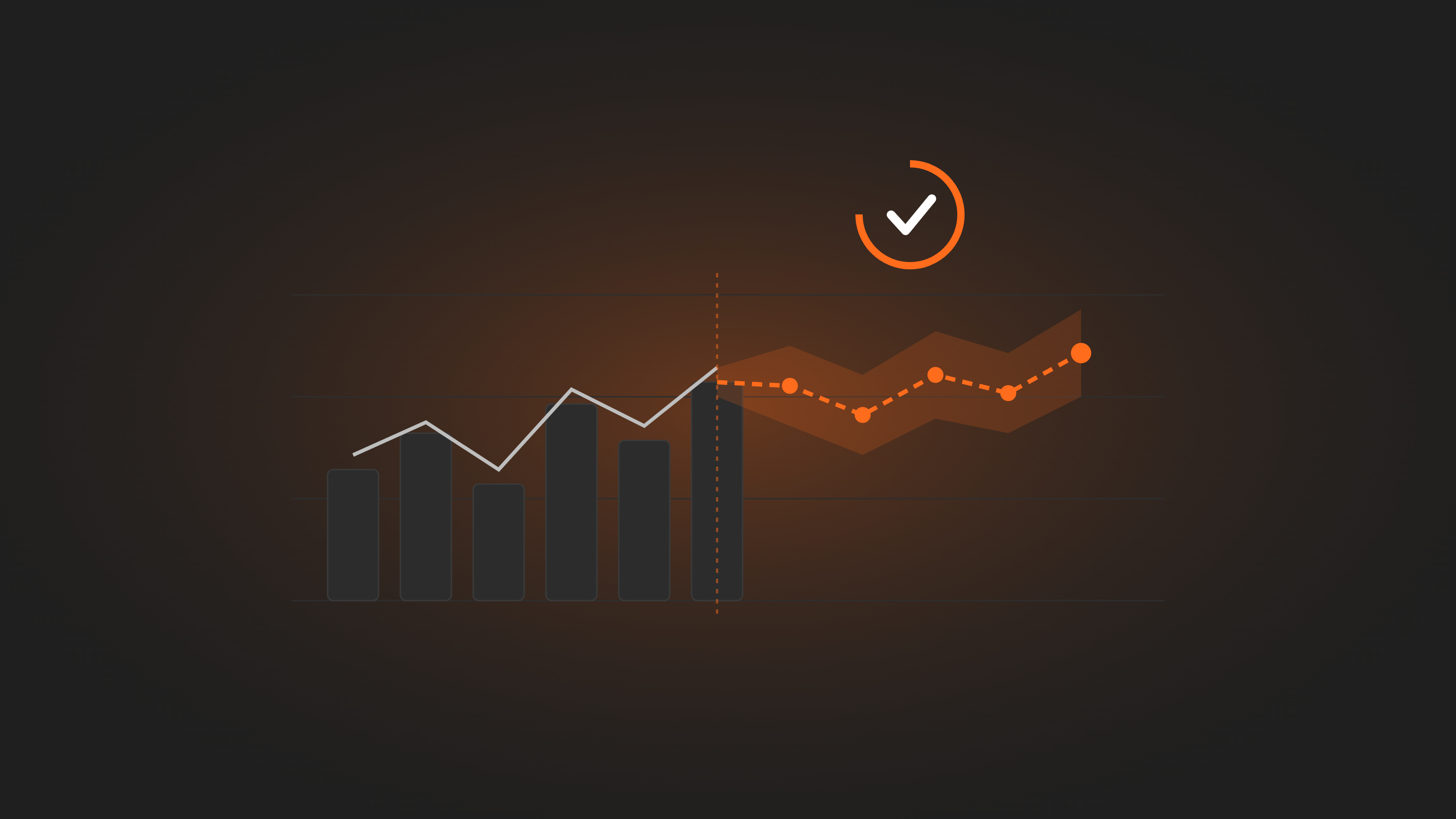
Price response prediction means looking ahead, before you raise, lower, or hold a price (or change a discount rate, a rate tier, or a bundle), at how existing customers, prospective customers, and even customers who might switch to a competitor will actually respond.
"Response" here means something you can concretely measure: how much churn increases, how demand shifts, how revenue and margin move, and how willingness to pay (WTP) is distributed across segments. Being able to answer these questions is what actually matters when you're setting a price.
This question comes up most often in industries where inventory is repriced daily: airlines and hotels adjusting seats and rooms; consumer goods and retail companies weighing promotional price against list price; and games, where item and package pricing has a direct line to revenue.
The Current Approaches All Have Clear Limits.
Every company makes this pricing decision through one of three approaches today, and each one has a clear limit.
Gut feeling: the same data, but a different conclusion depending on who's looking at it.
Teams weigh competitor pricing, cost inflation, and consumer sentiment relative to last year, but in the end the judgment comes down to one person's accumulated experience.
Price elasticity regression: no basis for a decision you've never made before.
This method extracts consumer price elasticity from how customers actually responded to past price changes, so it's more grounded than gut feeling, but it has no solid basis at a price point the company has never tried.
Consumer surveys: what people say and what they actually do are different things.
You can ask customers directly how they'd respond, but what a sample says in a survey and how customers actually behave when they buy can diverge sharply.
The most accurate method is still to actually change the price and observe what happens.
But a price change hits revenue directly, and it takes time before the results come in.
Since the cost of a bad pricing experiment shows up immediately as a real loss, you need a way to see the outcome before you act.
How Can the Social World Model Solve This?

Dalpha's Social World Model gives this problem a clean answer.
Collects the data that shapes price response.
It pulls together data the company already owns (transaction history, price-change history, promotion history, customer profiles) and adds external, environmental variables like consumption trends, competitor conditions, and events, gathered through Dalpha's own data collection technology.
Learns the causal and behavioral dynamics between variables in that data.
The model learns both the causal relationships and the time-series correlations between price changes and the variables above, understanding and mirroring how people actually make decisions.
In the process, it models the pattern between price change and consumer response at the individual level, so instead of a single average, you can see exactly how the response splits across existing customers, new customers, and customers at risk of churning.
Uses the trained model to predict the outcome of a price change.
You feed the trained prediction model the price you're considering.
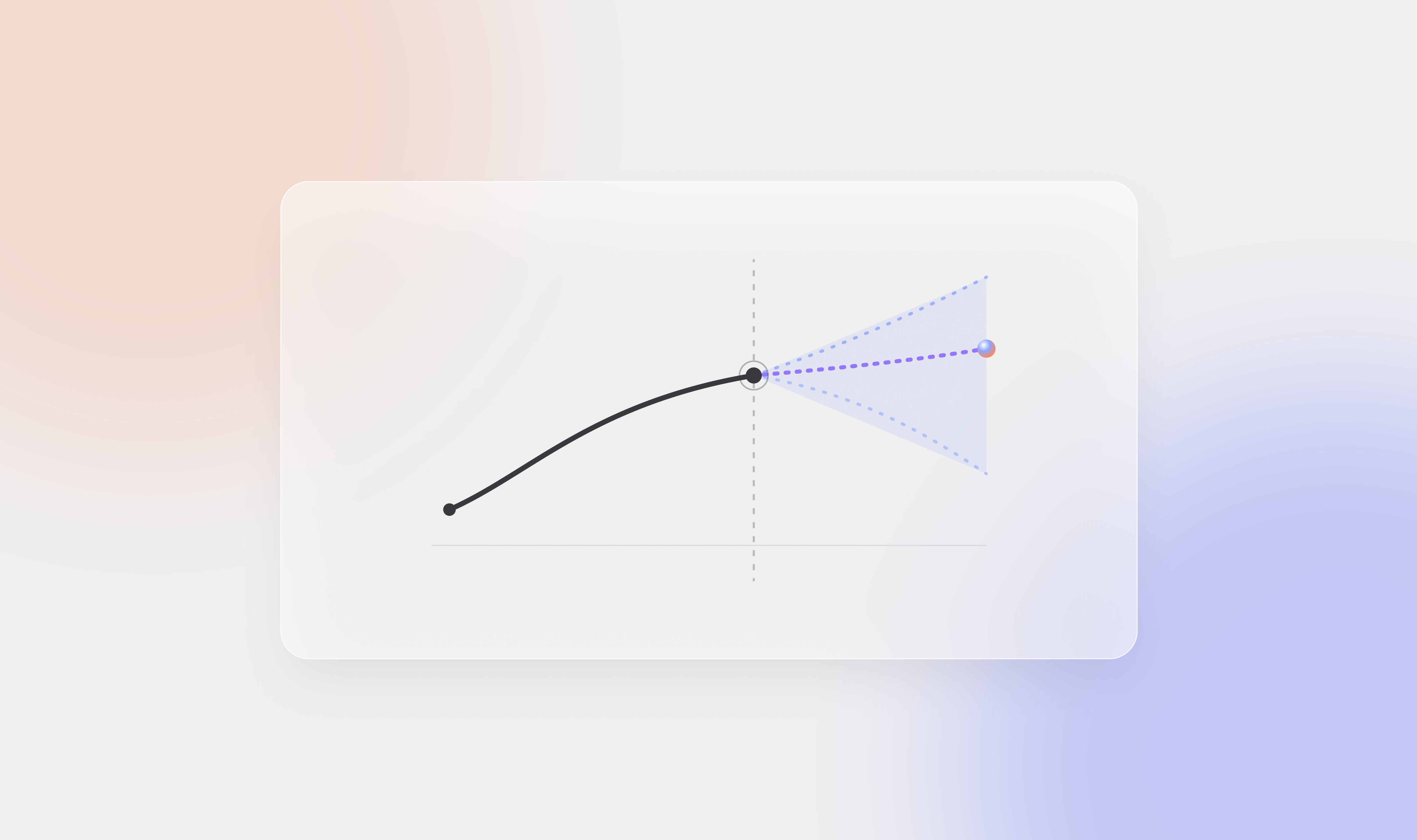
You can ask it in advance, "What happens to demand if we move to this price?" and see the predicted result. Rather than simply extrapolating a past time-series trend forward, the model simulates consumer demand itself over a specific future period, producing a precise prediction even for price points or time windows it was never directly trained on.

This approach lets you predict with a level of precision existing methods can't match.
Take a 15% price increase as an example.
Regression analysis, the most data-driven of the existing methods, only has results to draw on for decisions the company has already made, like a 5% increase or a rate-tier change. In front of a 15% increase it has never tried, it simply has no basis.
The Social World Model instead learns, at the level of individual variables, why customers react to a price increase (price sensitivity, the presence of substitutes, or brand loyalty), so even at a price point never tried before, it can predict the response based on how strongly each of those causes is likely to act.
It goes further still, folding in the chain reactions where these variables affect each other: price-sensitive customers leave first after a price hike, the reviews and referrals they used to generate drop off, and that in turn slows new customer acquisition. All of this is reflected in the simulation.
Many Industries Are Already Solving This Through Price Response Prediction.

Here's a closer look at how the Social World Model is actually being applied, through real cases Dalpha has built.
Airlines & Hotels: Fare and Room Rate Optimization
In airlines and hotels, how demand moves when fares or room rates are adjusted is a core KPI for the pricing strategy team. Adjusting the price of a single seat or room, day by day, has an outsized effect on revenue. Price too high and you can't sell everything; price too low and you give up margin you could have captured.
Airline A approached this by predicting demand by route in advance, calculating the price that fills every seat while maximizing margin.
Brands: Product Price Optimization
For consumer brands, whether to release this season's product at a promotional price or hold the list price is a core decision for the merchandising team. Because this judgment has to be made season after season, product after product, the question recurs with every ordering cycle. Deciding when and at what price to move new or overstocked inventory into promotion is always a hard call. Promote too aggressively and you give up margin you could have kept at list price; hold back too much and unsold inventory piles up, straining the next season's orders.
Beauty Brand B approached this by predicting sales volume by product based on price and promotion status in advance, comparing how sales would split between running the product at a promotional price versus holding list price.
Gaming & Platforms: Item and Package Price Optimization
In gaming, setting the price of items, packages, season passes, and currency top-up promotions is an ongoing job for the business and monetization (BM) team. Live-service games have to rebuild their pricing structure around every new content drop or event, so this question repeats even on a weekly cadence. Price too high and conversion drops, costing revenue; price too low and you leave money on the table from players who could have paid more.
Game Company C approached this by predicting purchase conversion and payment amount by user segment based on item and package pricing in advance, comparing how revenue would split across segments if the pricing structure changed.
All three industries share the same pattern: a pricing decision feeds straight into revenue, is hard to reverse once made, or affects a large enough base that a wrong call carries a real cost.
Closing Thoughts: The More Pricing Drives Revenue, the More the Social World Model Matters.
Until now, no one could know the outcome of a price change until it actually happened, which is exactly what made it such a high-stakes, hard-to-reverse decision.
The Social World Model lets you test multiple prices inside the model and optimize for the best option before ever taking a price to market, making that decision far more precise.
If your team is wrestling with pricing decisions daily, weekly, or monthly, Dalpha can help you work through this problem together.
Frequently Asked Questions (FAQ)
Q. Can it really predict a price we've never tried? How do we trust that?
Predicting a price point you've never tried is exactly the core strength of the Social World Model.
That said, the value is maximized not by blindly trusting the model's output at 100%, but by using it as data-backed grounds for your team's own final decision.
Q. How much of our own data do we need to get started?
More price-related data, such as transaction history, price-change history, promotion history, and customer attributes, is always better, but you don't need everything in place before you can start.
The first step is simply figuring out together what data you already have and what's missing.